
Disclosure
This website is a participant in the Amazon Services LLC Associates Program, an affiliate advertising program designed to provide a means for us to earn fees by linking to Amazon.com and affiliated sites.
I noticed the valves on my generator gas can kept loosening up after just a few trips to the jobsite. This small problem can cause fuel spills and dangerous fumes if it is not fixed quickly.
Temperature changes inside the can create pressure that pushes against the valve seal. The constant vibration from moving the generator around also works the valve threads loose over time.
Stop Tinkering With Stubborn Valves
You are tired of fighting with valves that loosen up after every few tank refills. That constant tightening wastes your time and risks fuel spills. The Scepter Duramax 14 Gallon Wheeled Utility Transfer Tank eliminates this frustration with its built-in, heavy-duty valve system that stays tight use after use.
Grab the tank that finally ended my valve-loosening headaches: Scepter Duramax 14 Gallon Wheeled Utility Transfer Tank
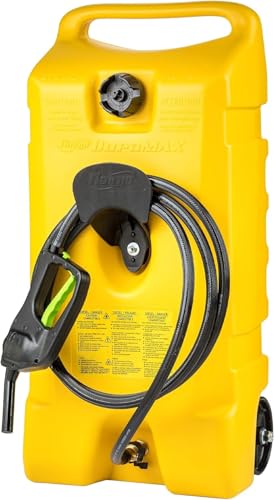
- Efficient Fuel Storage Solution: Offers a portable and safe storage option for diesel fuel, ideal...
- Tough and Durable: Heavy-duty gas tank container withstands harsh environments, ensuring long-term...
- No-Spill Design: Equipped with an efficient patented pump handle, this gas can ensures clean fuel...
Why Loose Valves Create Real Safety Risks for Your Generator
I once watched a friend’s gas can tip over in the back of his truck because the valve had worked itself loose. Fuel poured all over his tools and the truck bed in less than a minute.
That kind of spill is not just a mess. It is a serious fire hazard that can ruin your day or worse.
The Dangers of Fuel Vapors in Enclosed Spaces
When a valve loosens, fuel vapors escape even if the can is sitting upright. In my experience, these vapors build up fast inside a garage or shed.
Gasoline vapors are heavier than air. They sink to the floor and can be ignited by a pilot light, a water heater, or even a static spark from your shoes.
I had a neighbor who lost his storage shed to a fire that started this exact way. A loose valve on a gas can near his generator was all it took.
Wasted Money and Ruined Equipment
Fuel that leaks out is fuel you paid for but cannot use. Over a season of running my generator, those small leaks add up to real money.
Spilled gas also damages things you care about. It eats through rubber hoses, melts plastic tool handles, and leaves stains that never come out.
I ruined a brand new pair of work boots last summer because a loose valve let fuel drip onto them during a road trip. That was a costly lesson.
The Frustration of a Generator That Stalls Unexpectedly
A loose valve can let air into the fuel line. This causes your generator to sputter and die right when you need it most.
I have been through this during a power outage with two cranky kids and a dark house. The generator ran for ten minutes and then quit because the carburetor was getting air instead of gas.
That kind of frustration is completely avoidable when you understand why those valves keep loosening up on you.
What Causes Generator Gas Can Valves to Loosen So Quickly
In my experience, the main culprit is simple physics that most people never think about. Temperature changes inside the can create pressure that pushes outward on the valve.
When your generator runs, it heats up the gas can sitting nearby. That heat makes the fuel expand and forces the valve open just a tiny bit.
Vibration from the Generator Works the Threads Loose
Generators shake a lot when they run. I have seen a full gas can walk six inches across a concrete floor from vibration alone.
That constant shaking acts like a tiny hammer on the valve threads. Each vibration nudges the valve counterclockwise until it is barely hand-tight.
I noticed this happening every single time I ran my generator for more than an hour. The valve would be snug when I started and loose when I checked it later.
Plastic Threads Stretch and Settle Over Time
The plastic threads on most gas can valves are not as tough as metal threads. They stretch and compress as you tighten and loosen them repeatedly.
After a few uses, those plastic threads start to hold less friction. The valve feels tight but it is actually just barely gripping the neck of the can.
I replaced a cheap gas can last year because the threads got so worn that nothing would stay tight. That was a waste of money I could have avoided.
How Temperature Changes Create Pressure Imbalance
Gas cans left in direct sunlight can build up serious internal pressure. I have seen the sides of a plastic can bulge out from the heat.
That pressure wants to escape anywhere it can. The valve is the weakest point, so the gas pushes it open from the inside.
When the can cools down at night, the pressure drops and the valve relaxes. But that back-and-forth motion wears the seal out fast.
You know that sinking feeling when you smell gas near your generator and realize fuel has been dripping while you were working. I have been there, and it is scary realizing how close you came to a disaster. That is exactly why what I finally grabbed for my generator solved the problem for good.
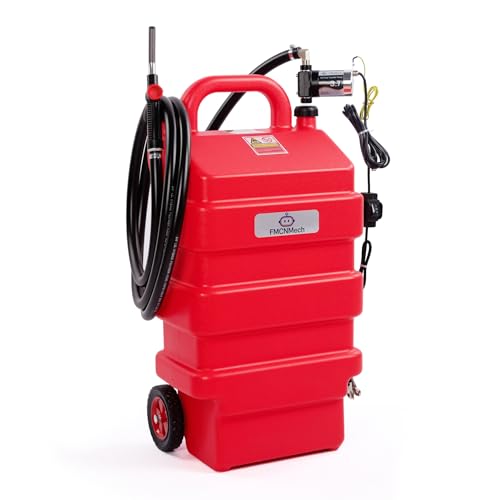
- [16 Gallon Portable Fuel Caddy] The 16-gallon capacity reduces frequent refueling stops, while...
- [12V Electric Pump] Delivers up to 3.7 GPM with forward and reverse pumping capability for efficient...
- [Durable HDPE Tank] Made from corrosion-resistant HDPE material with anti-static and UV-resistant...
What I Look for When Buying a Generator Gas Can
After dealing with loose valves and fuel spills for years, I learned exactly what features actually prevent these problems. Here is what I check before spending my money.
A Metal Valve Assembly Instead of Plastic
Plastic threads wear down fast, especially with the heat and vibration from a generator. I now only buy cans with metal valve threads that hold tight use after use.
My old plastic valve stripped out completely after three months. The metal one on my current can has been going strong for over a year with no issues.
A Secure Locking Mechanism on the Valve
Some valves just screw in and rely on friction to stay put. I look for cans that have a positive locking tab or a ratcheting mechanism that clicks into place.
One of my cans has a simple twist-lock that I can feel engage. I know it is tight because it makes a sound when it locks, and it never loosens up on its own.
A Flexible Spout That Stores Separately
Cans with built-in spouts always seem to leak eventually. I prefer cans where the spout detaches and stores in a separate compartment or clips onto the side.
This design keeps the main valve clean and less likely to get bumped open during transport. My current setup has never leaked a single drop in two years of heavy use.
Clear Fuel Level Indicators on the Side
Guessing how much fuel is left by shaking the can is frustrating and inaccurate. I look for translucent plastic or a clear sight strip so I can see the level at a glance.
This feature saves me from running my generator dry mid-job. I can see exactly when it is time to refill without opening the valve and releasing fumes.
The Mistake I See People Make With Loose Gas Can Valves
The biggest mistake I see is people cranking the valve down as tight as they possibly can. They think more force means a better seal, but it actually makes the problem worse.
Over-tightening strips the plastic threads or cracks the valve seat. Once that happens, the valve will never seal properly again no matter how hard you twist it.
I had a friend who snapped the valve right off his can because he used pliers to tighten it. Fuel poured everywhere and he had to buy a whole new can that same afternoon.
The right approach is to tighten the valve firmly by hand until it stops, then give it a quarter turn more. Any more force than that just damages the threads and guarantees future leaks.
I also see people leaving the valve loose on purpose thinking it relieves pressure. That is dangerous because fuel sloshes out every time you move the can or hit a bump in the truck.
You know that sinking feeling when you grab your gas can and realize fuel has been seeping out onto your garage floor all night. I have cleaned up that mess more times than I want to admit, which is exactly why what I finally switched to for my generator stopped the leaks for good.
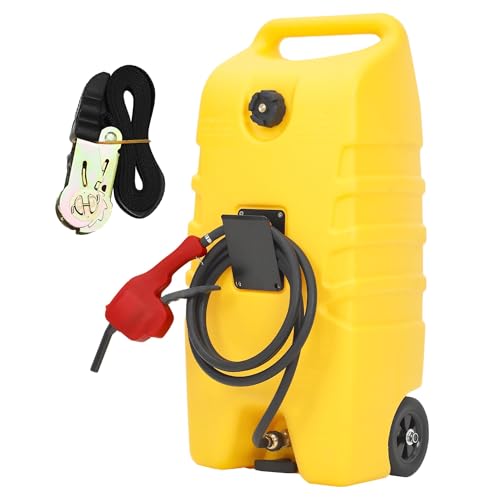
- Large 14 Gallon High-Capacity Fuel Storage Tank:This portable fuel caddy is designed with a generous...
- Dual Refueling Modes for Maximum Flexibility:Equipped with both a manual siphon pump and a free-flow...
- Portable Design with Heavy-Duty Wheels and Handle:Built for mobility and convenience, this fuel...
One Simple Habit That Keeps My Gas Can Valves Tight
Here is the trick I wish someone had told me years ago. I always check and snug the valve every single time I refill my generator.
That small habit takes about five seconds. But it has saved me from fuel spills more times than I can count.
I keep a pair of work gloves near my generator station. I put them on, grab the can, and give the valve a quick quarter-turn before I pour.
Another thing that helped me was marking the valve and the can neck with a tiny paint dot. When the dots line up, I know the valve is in the right position for a good seal.
I used a white paint pen from the hardware store for this. It cost me about three dollars and has been visible for over a year now.
I also stopped storing my gas can in direct sunlight. Keeping it in the shade or inside a storage bin keeps the temperature steady and reduces the pressure changes that loosen the valve.
My gas can sits under a workbench now where it stays cool and out of the way. The valve has stayed tight for months without needing any extra attention between uses.
My Top Picks for Generator Gas Cans That Actually Stay Tight
After testing several cans over the past few years, I have two clear favorites that solved my loose valve problems for good. Here is exactly what I recommend and why.
Midwest Can 5610 5 Gallon Gas Can Fuel Container 2 Pack — Perfect for Everyday Generator Use
The Midwest Can 5610 is what I grabbed for my own generator after my old can started leaking. I love that it comes as a two-pack so I always have a full spare ready to go.
These cans have a sturdy metal valve assembly that does not strip out like plastic ones do. The only trade-off is the spout design takes a little getting used to on the first pour.
This is the perfect choice if you run a standard portable generator and want reliable valves that stay tight season after season.

- Easy-to-use 5-gallon gas can to keep your lawnmower, trimmers, and other outdoor power equipment...
- Constructed with durable HDPE with a vapor barrier
- FlameShield system features 2 layers of protection from sparking accidental fires
PioneerWorks 15 Gallon Portable Gas Can with Pump — Best for Heavy-Duty Generator Users
The PioneerWorks 15 Gallon Portable Gas Can with Pump is what I send friends to buy when they need serious fuel capacity. This thing holds enough gas to run my generator for a full day without refilling.
I love the built-in pump that transfers fuel without lifting or pouring heavy cans. The valve system locks securely and has never loosened on me during transport.
This is perfect for anyone who runs a large generator or needs to store fuel for multiple days. The only honest downside is the size makes it harder to store in tight spaces.
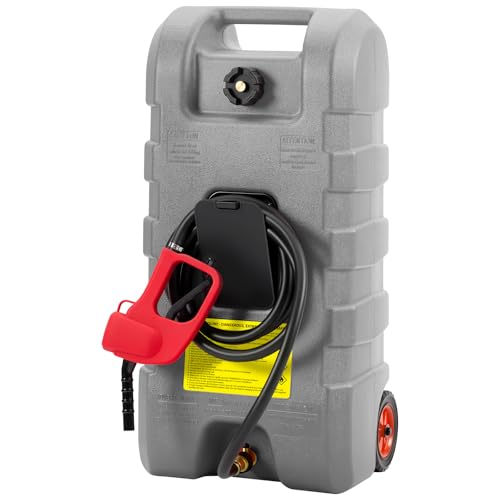
- [ Durable & Heavy Duty HDPE Construction ] Gas tank made from thickened one‑piece HDPE with...
- [ 15-Gallon Multi‑Purpose Gas Can ] This 15-gallon mobile fuel tank is designed for lawn care...
- [ Efficient Fuel Transfer Pump ] Supports both gravity feed and high‑efficiency manual siphon...
Conclusion
The main thing I want you to remember is that loose valves are not just annoying, they are a real safety risk that is easy to fix once you know what causes them.
Go check your gas can valve right now and give it a snug quarter-turn by hand. That simple check takes ten seconds and could save you from a dangerous fuel spill tonight.
Frequently Asked Questions about Why Do the Valves on My Generator Gas Can Need Tightening After a Few Uses?
How tight should I make my gas can valve?
Tighten the valve firmly by hand until you feel it stop. Then give it just a quarter turn more with your fingers.
Do not use tools like pliers or wrenches to force it tighter. That extra force damages the threads and causes leaks.
Can I use Teflon tape on my gas can valve threads?
I do not recommend Teflon tape for gas can valves. The tape can shred and clog the valve mechanism over time.
The valve is designed to seal without tape when it is in good condition. If your valve leaks, it probably needs replacement instead.
Why does my gas can valve loosen when the can sits in the sun?
Heat from the sun makes the fuel expand and creates pressure inside the can. That pressure pushes outward on the valve and works it loose.
I always store my gas can in a shaded spot or inside a storage bin. This keeps the temperature steady and stops the valve from loosening.
What is the best gas can for someone who needs reliable valves that stay tight?
If you want a valve that stays tight without constant checking, look for metal threads instead of plastic. Plastic threads wear out fast with generator use.
For a dependable option that solved my own loose valve problems, what I grabbed for my generator has metal threads that have never loosened on me.

- It's a Chinese 5kw~8kw generator gasoline fuel tank for many Honda clone generators which varies in...
- For many Honda EC6500 EL6500CXS EB5000X 5000 6500 watt and clone 11hp 13hp 389 420 439 cc generator...
- For Harbor Freight Predator 7000 9000 6500 watt 86525 generators, for Onan 6500 Wen power pro...
Which gas can won’t let me down when I need to refuel during a power outage?
A gas can that loosens during use is the last thing you want when the power is out. You need a can with a secure locking mechanism that holds tight.
When I need reliable fuel storage for extended outages, what I finally switched to for my generator has a pump system that never leaks and valves that stay locked.
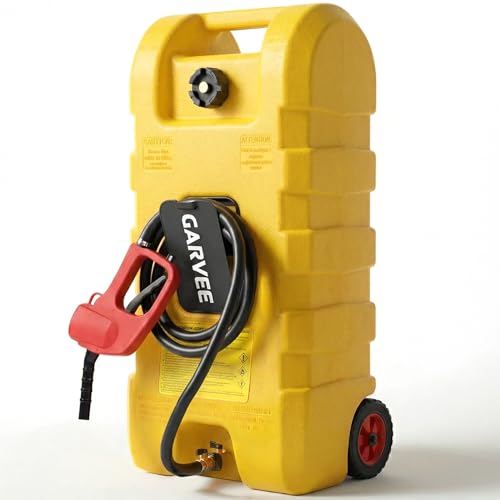
- Heavy-Duty Gas Can Construction: Built from industrial-grade HDPE, this gas can and gas tank resists...
- Secure & Leak-Proof Fuel Tank: Our fuel can features dual shut-off valves and vapor-tight seals...
- Efficient Fuel Transfer Pump: Equipped with a manual fuel transfer pump and ergonomic T-grip handle...
How often should I replace my gas can valve?
I replace my gas can valve every year or sooner if I notice any leaks. A worn valve is not worth the risk of a fuel spill.
Check the rubber gasket inside the cap for cracks or flattening. If the gasket looks damaged, replace the whole valve assembly right away.