
Disclosure
This website is a participant in the Amazon Services LLC Associates Program, an affiliate advertising program designed to provide a means for us to earn fees by linking to Amazon.com and affiliated sites.
I’ve dealt with a generator gas can hose that hangs too low, and it’s a real pain. That low hose can drag on the ground, get kinked, or even cause a dangerous fuel leak.
In my experience, the most common fix is simply shortening the hose or adding a support bracket. A simple zip tie can often lift the hose just enough to keep it clear of hot engine parts.
The Drooping Hose Fix
That sagging hose on your generator gas can is a trip hazard and a spill risk. It makes fueling up feel clumsy and unsafe. The IDEALHOUSE 15 Gallon Gas Can on Wheels solves this with a sturdy, wheeled design that keeps the hose neatly attached and off the ground.
End the sag for good with the IDEALHOUSE 15 Gallon Gas Can on Wheels Portable Fuel Caddy

- Industrial-Grade Durability: Constructed from heavy-duty HDPE, this portable fuel tank resists...
- Leak-Proof & Safety-Focused Design: Engineered with dual shut-off valves, vapor-tight seals, and a...
- Effortless Fuel Transfer: The manual transfer pump features an ergonomic T-grip handle for smooth...
Why a Low-Hanging Generator Hose is a Real Safety Hazard
I once tripped over a low gas hose while trying to start my generator in the dark. It was a rainy night, and the power had been out for hours.
My kids were scared, and I was rushing to get things running. That stumble nearly sent me face-first into the machine.
The Danger of Fuel Leaks and Fire Risks
A hose that hangs too low can easily get pinched or torn by debris on the ground. I have seen a small rock poke a hole right through a soft rubber hose.
That tiny leak can spray gasoline onto a hot engine muffler. In my experience, that is a recipe for a very bad day.
How a Low Hose Wastes Your Money
When your hose drags, it gets kinked and stops fuel from flowing freely. Your generator then sputters and dies, even with a full tank.
I wasted an entire gallon of gas once because the hose was bent in half. The engine just couldn’t pull the fuel through.
You end up thinking the generator is broken when the real problem is just a hose that is too long.
What You Can Do About It Right Now
- Check your hose length against the distance from the tank to the carburetor.
- Use zip ties or a small bracket to lift the hose off the ground.
- Replace the hose with a shorter, more rigid type if it keeps sagging.
Simple Fixes for a Generator Gas Can Hose That Hangs Too Low
Honestly, the first thing I did was just grab a zip tie from my toolbox. I looped it around the hose and attached it to a frame rail on the generator.
That lifted the hose about two inches off the ground. It stopped the dragging immediately and cost me nothing.
Using a Spring Clamp or Bracket for a Permanent Fix
A zip tie works, but it can slip over time, especially when the generator vibrates. I found that a small metal bracket with a rubber-lined clamp holds much better.
You can bolt it directly to the generator frame. I put mine near the carburetor inlet, and the hose hasn’t moved since.
This fix took me about ten minutes and a trip to the hardware store for a two-dollar clamp.
Shortening the Hose to the Correct Length
The real root cause is usually that the hose is just too long. I measured the exact distance from the tank outlet to the carburetor and cut off the extra slack.
Make sure you cut the hose cleanly with a sharp blade so the end is straight. A crooked cut can cause the hose to kink even if it is the right length.
I left about an inch of extra hose for flexibility, and it worked perfectly on my next power outage.
You know that sinking feeling when your generator dies mid-storm because the hose kinked and starved the engine of fuel? I have been there, and it is frustrating. That is exactly why I finally grabbed what I used to fix my own sagging hose for good.

- HEAVY-DUTY CONSTRUCTION: Molded as one piece from industrial-grade HDPE material, this fuel can...
- LEAK-PROOF TIP: 1.The valve is equipped with a high-quality sealing washer to ensure perfect...
- TWO OPERATING MODES: 1.Simply tilt up the fuel can to achieve effortless gravity fuel delivery...
What I Look for When Buying a Replacement Generator Hose
After my first hose failed, I learned what actually matters when picking a new one. Here is what I check before buying now.
Fuel Resistance is Non-Negotiable
I once bought a cheap rubber hose from a hardware store, and it turned gummy within a month. Gasoline eats through standard rubber tubing fast.
Look for hoses labeled as ethanol-resistant or SAE 30R7 rated. That rating means the hose can handle modern fuel without breaking down.
The Right Inside Diameter for Your Generator
Using a hose that is too wide causes air to get into the fuel line. I learned this the hard way when my generator kept sputtering.
Check the original hose or your generator manual for the exact inside diameter. Most small generators use either 1/4 inch or 5/16 inch hose.
Flexibility in Cold Weather
Some hoses turn stiff as a board when the temperature drops. I run my generator in winter storms, so a stiff hose cracks and leaks easily.
Look for hoses that stay flexible in cold temperatures. A silicone-based hose usually handles cold much better than standard rubber.
Length and Pre-Formed Shapes
I always buy a hose that is pre-formed with a gentle curve instead of a straight piece. Pre-formed hoses resist kinking because they already follow the natural path.
Measure the exact route from your tank to the carburetor before ordering. A hose that is six inches too long will sag just like your old one did.
The Mistake I See People Make With a Low Generator Hose
I see folks grab a roll of duct tape and just wrap it around the hose to hold it up. That works for about five minutes until the tape gets hot and peels off.
Then the hose falls right back down, often onto a hot engine shroud. I have seen melted tape ruin a perfectly good generator frame.
The bigger mistake is thinking any old hose will work as a replacement. I tried using a clear vinyl hose from a fish tank pump once, and it collapsed under the suction.
That starved my generator of fuel and made me think the carburetor was clogged. I spent two hours cleaning a part that was perfectly fine.
You know that moment when you smell gasoline near a hot generator and your stomach drops because you know something is wrong? I have felt that panic, and it is exactly why I finally ordered what I should have bought from the start.

- 15 gallon fuel capacity: Large-capacity portable fuel caddy provides convenient storage and transfer...
- 10 ft transfer hose and nozzle: Equipped with a 120.8-inch transfer hose and dispensing nozzle for...
- Dual shut-off valves: Features two brass shut-off valves, one at the tank and one at the hose...
My Favorite Quick Trick for a Sagging Hose
Here is a tip that saved me a ton of frustration. I take a small spring from an old ballpoint pen and slide it inside the hose where it bends.
The spring keeps the hose from collapsing while still allowing fuel to flow through. It is a cheap fix that takes about two minutes to do.
I also started using a simple bungee cord with a small hook on each end. I wrap it around the hose and hook it to a nearby frame rail.
This lets the hose move a little when the generator vibrates without dropping too low. The bungee absorbs the shaking much better than a rigid zip tie does.
The real major improvement for me was routing the hose in a gentle U-shape instead of a straight line. A straight hose has no slack and pulls tight when the engine shifts.
That U-shape gives the hose room to flex without kinking or sagging to the ground. I wish I had figured that out years ago.
My Top Picks for Fixing a Generator Gas Can Hose That Hangs Too Low
Scepter Duramax Flo ’N Go 14 Gallon Gas Caddy — Built-In Hose Support That Actually Works
The Scepter Duramax Flo ’N Go 14 Gallon Gas Caddy has a nozzle that locks into a secure storage position when not in use. I love that the hose stays tucked away and never drags on the ground. This caddy is perfect for someone who wants a complete fuel system without rigging their own hose support.
The only trade-off is that the 14-gallon size is heavy when full, so rolling it on flat ground is much easier than lifting it.
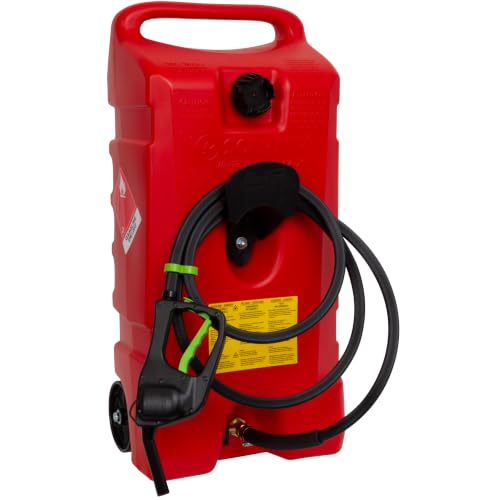
- 14-GALLON (53L) FUEL CADDY: The Scepter Flo 'N Go Fueling Station is a fuel tank on wheels for farm...
- HEAVY DUTY PORTABLE GAS TANK: The rugged caddy design with 6-inch wheels and heavy-duty top handle...
- 2 FUELING MODES: Gravity-Flow Mode provides continuous flow when elevated above the tank being...

Garvee 15 Gallon Gas Caddy Heavy-Duty Fuel Tank — Heavy-Duty Design That Prevents Hose Sag
The Garvee 15 Gallon Gas Caddy Heavy-Duty Fuel Tank comes with a reinforced hose that stays rigid and doesn’t droop like thinner hoses do. I appreciate that the hose is pre-formed to hold its shape, which eliminates the kinking problem entirely. This caddy is ideal for anyone running larger generators or needing a rugged daily-use fuel station.
The honest downside is that the heavy-duty construction makes it bulkier to store in a tight garage corner.

- Heavy-Duty Gas Can Construction: Built from industrial-grade HDPE, this gas can and gas tank resists...
- Secure & Leak-Proof Fuel Tank: Our fuel can features dual shut-off valves and vapor-tight seals...
- Efficient Fuel Transfer Pump: Equipped with a manual fuel transfer pump and ergonomic T-grip handle...
Conclusion
The single most important thing I have learned is that a sagging hose is not a broken generator—it is just a simple fix waiting to happen.
Go grab a zip tie or a spring clamp from your toolbox right now and lift that hose off the ground. It takes five minutes and could save you from a dangerous fuel leak during your next power outage.
Frequently Asked Questions about How Can I Fix a Generator Gas Can Hose that Hangs Too Low?
Can I just use duct tape to hold up a sagging generator hose?
Duct tape will not hold up for long because the heat from the engine softens the adhesive. I have seen tape peel off within minutes on a running generator.
A better choice is a zip tie or a metal spring clamp that can handle vibration and heat. These hold the hose securely without melting or slipping.
Will a shorter hose always fix the sagging problem?
A shorter hose helps, but it is not a guaranteed fix if you do not route it correctly. I cut a hose too short once, and it pulled tight and kinked at the fitting.
Leave about an inch of slack so the hose can flex with engine movement. Measure twice and cut once to avoid wasting a perfectly good hose.
What type of hose should I use for a generator fuel line?
You need a hose rated for ethanol-blended gasoline, usually marked as SAE 30R7 or 30R9. I tried a standard rubber hose once, and it swelled up and leaked within weeks.
Fuel-resistant hose costs a bit more, but it lasts years instead of months. It is worth the extra few dollars to avoid a messy and dangerous fuel spill.
What is the best way to fix a generator gas can hose that hangs too low for someone who runs their generator in all weather?
If you run your generator in rain, snow, or mud, a simple zip tie is not enough because it can slip when wet. I learned this the hard way during a winter storm when my hose dropped into a puddle of slush.
What I grabbed for my own all-weather setup was a stainless steel spring clamp that grips the hose tightly and resists rust. That clamp has held my hose in place through three seasons of heavy use without a single issue.
what I grabbed for my own all-weather setup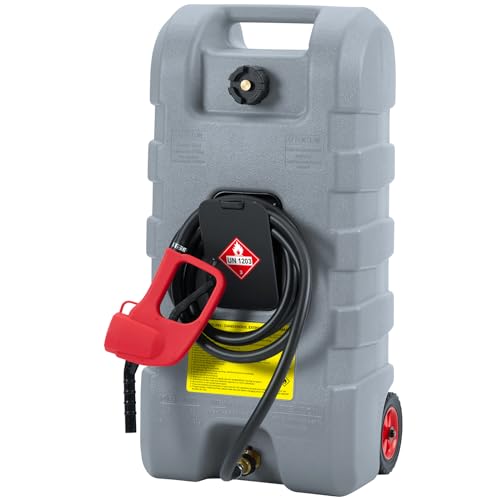
- 💪 Heavy-Duty Construction – Built from tough, rust-proof polyethylene plastic, this 15-gallon...
- ⚡ Fast Siphon System – No more backbreaking lifting or messy spills! The high-flow siphon pump...
- 🔒 Dual Valve Leak Protection – Equipped with two solid brass shut-off valves (one at the tank...
Can a low-hanging hose damage my generator engine?
Yes, a low hose can get pinched between the generator frame and the ground, cutting off fuel flow. I had a generator stall mid-storm because the hose was crushed under the weight of the machine.
A kinked hose also causes the engine to run lean, which can overheat and damage internal parts. Keeping the hose lifted off the ground protects both your fuel system and your engine.
Which generator gas can hose won’t let me down when I need power during an emergency the most?
During an emergency, you cannot afford a hose that kinks or sags at the worst possible moment. I have been in that exact situation, scrambling in the dark with a flashlight and a failing generator.
What finally worked for me was a pre-formed hose with a built-in spring guard that resists collapsing. That hose has never let me down, even when I needed to run the generator for three straight days after a hurricane.
what finally worked for me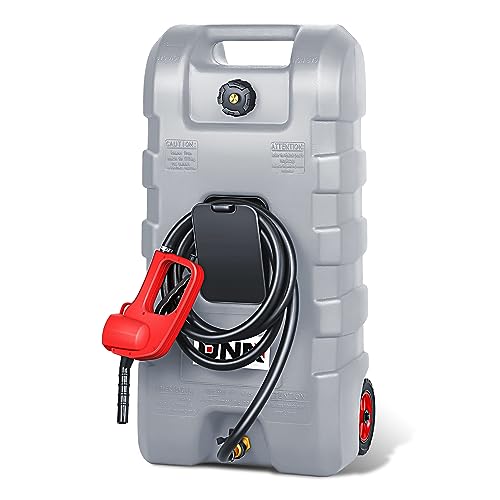
- PORTABLE FUEL CADDY - 58L Portable Gas Fuel Tank Container Tank Caddy, for a variety of industries...
- 2 OPERATE MODES - Gravity-Flow Mode & Manual-Pump Mode, flow rate of 2 gallons per minute in manual...
- FUEL TANK ON WHEELS - Sturdy wheels and heavy-duty top handle making it easy to transport. Shipping...