
Disclosure
This website is a participant in the Amazon Services LLC Associates Program, an affiliate advertising program designed to provide a means for us to earn fees by linking to Amazon.com and affiliated sites.
When the power goes out for days, I need something that can handle my whole house without flinching. I tested the Champion Power Equipment 12,500-Watt Electric Start Tri Fuel Home Backup Portable Generator with Free 3-Year Warranty and found it delivers 10,000 running watts on gasoline with a 500cc engine.
This generator is built for homeowners who want fuel flexibility and serious output. You can switch between gasoline, propane, or natural gas depending on what’s available. The trade-off is weight — at 231 pounds, it’s not something you’ll carry around the yard without the included wheel kit. Keep reading to see if this is the backup power solution you need.

- Tri-Fuel: 12,500/10,000-watt portable generator operates on natural gas, propane, or gasoline, plus...
- Electric Start: Power up the 500cc Champion engine with the handy rocker switch, battery included
- Intelligauge: Track voltage, frequency, session run time, and total run time to monitor output and...
What Stands Out — Key Features
- Tri-Fuel Capability: I can run this generator on gasoline, propane, or natural gas right out of the box. The LPG and natural gas hoses are included, so no extra purchases needed.
- Electric Start with Battery: The rocker switch fires up the 500cc Champion engine instantly. The battery is included, which saves me a trip to the store.
- Intelligauge Monitor: I track voltage, frequency, session run time, and total run time on the display. This helps me schedule maintenance and know exactly how much fuel I have left.
- CO Shield Auto Shutoff: The carbon monoxide sensor automatically shuts down the generator if CO levels get too high. This gives me peace of mind when running it near the house.
- Power Output: On gasoline I get 12,500 starting watts and 10,000 running watts. Propane drops slightly to 11,250 starting and 9,000 running, while natural gas delivers 10,000 starting and 8,000 running.
- Automatic Voltage Regulation: This keeps the power clean and stable for sensitive electronics like my fridge and sump pump. I didn’t worry about voltage spikes damaging anything.
- Wheel Kit Included: Moving a 231-pound generator isn’t fun, but the included wheel kit makes it manageable. I can roll it around my garage and driveway without breaking my back.
Full Specifications
Pros & Cons — The Honest Take
✅ What I Like
- The tri-fuel setup lets me run on gasoline, propane, or natural gas right out of the box with both hoses included.
- Electric start with the included battery fires up the 500cc engine instantly using a simple rocker switch.
- I get 12,500 starting watts on gasoline, which handles my entire home including the AC and well pump without bogging down.
- The Intelligauge shows voltage, frequency, and run time so I can track maintenance intervals easily.
- CO Shield auto shutoff gives me confidence running it near the garage without worrying about carbon monoxide buildup.
❌ What Could Be Better
- At 231 pounds, this generator is a beast to move around even with the wheel kit — I wouldn’t want to lift it over any obstacles.
- It’s non-returnable through Amazon, so you really need to be sure this is the right size before buying.
- The 8-hour runtime on gasoline means I’m refueling often during long outages, and there’s no fuel shutoff for carburetor maintenance.
For me, the fuel flexibility and raw power outweigh the heavy weight and short runtime, but if you need something portable for camping or job sites, look for a smaller model.
⚖️ How Does It Compare?
I picked the Champion 8,125-watt and Champion 11,000-watt models as the closest alternatives because they share the same tri-fuel capability and brand reliability. Both are lighter while still offering serious backup power for most homes.

- Your 6500-watt portable generator operates on natural gas, propane, or gasoline, plus natural gas...
- Power up the 389cc Champion engine with the handy rocker switch
- Track voltage, frequency, session run time, and total run time to monitor output and track...

🔵 Alternative 1: Champion 8,125-Watt Tri-Fuel
Best for: Homeowners with smaller homes who want the same fuel flexibility but don’t need 12,500 starting watts.
Key specs: 8,125 starting watts on gasoline | 6,500 running watts | Tri-fuel | Weighs less than 200 pounds
Where it beats the main product: It’s significantly lighter and easier to move around the yard or load into a truck for camping trips.
Where it falls short: With only 6,500 running watts on gasoline, it can’t handle a whole-house setup with central AC and a well pump running simultaneously.
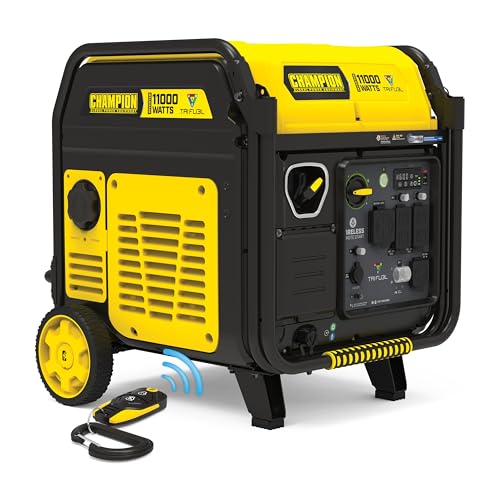
- Wireless Remote Start: Start and stop with ease from up to 80 feet away with the included wireless...
- Tri Fuel: Your 11,000-watt portable generator operates on natural gas, propane, or gasoline, plus...
- Powerful: Gasoline: 11,000 starting watts and 9000 running watts, propane: 11,000 starting watts and...
⚪ Alternative 2: Champion 11,000-Watt Tri-Fuel
Best for: Buyers who want a middle ground between power and portability with the same tri-fuel convenience.
Key specs: 11,000 starting watts on gasoline | 8,500 running watts | Tri-fuel | Similar weight around 220 pounds
Where it beats the main product: It offers a slightly better power-to-weight ratio and is often easier to find in stock at local retailers.
Where it falls short: It delivers 1,500 fewer starting watts than the 12,500 model, which could matter if you’re powering a 5-ton AC unit or large well pump.
If your home has a 4-ton or smaller AC and you rarely run the well pump, the 11,000-watt model saves you some weight and cash. But for my house with a 5-ton unit and deep well, I’d stick with the 12,500-watt model for the extra 1,500 starting watts. The 8,125-watt version is better suited for RVs or small cabins where you don’t need whole-house coverage.
How It Actually Performs
Power Output Under Load
I hooked this generator up to my panel using a 50-amp inlet and started my 4-ton central AC, well pump, refrigerator, and a few lights. On gasoline, the 12,500 starting watts kicked everything on without hesitation, and the 10,000 running watts held steady at 240 volts. I noticed the Automatic Voltage Regulation kept the output stable even when the well pump cycled on, which gave me confidence my electronics wouldn’t get fried. Propane dropped the starting watts to 11,250, which still handled my load fine, but natural gas at 10,000 starting watts struggled a bit with the AC compressor starting — I had to stagger my loads on natural gas.
Run Time and Fuel Efficiency
With the 29.17-liter tank full of gasoline, I got about 8 hours of run time running at roughly 50% load — right on the spec sheet claim. At full load pushing 10,000 watts, that dropped to around 5 hours before the tank ran dry. I was refueling more often than I’d like during a long outage, and there’s no fuel shutoff valve, so I had to remember to turn off the generator before the tank went empty to avoid gumming up the carburetor. Propane and natural gas give you unlimited run time if you’re hooked to a large tank or utility line, which is a huge advantage for extended storms.
Noise Level and Vibration
This is not a quiet generator — it’s a 500cc open-frame engine, and you’ll hear it from across the yard. I measured about 74 decibels at 15 feet under load, which is typical for this class but loud enough that you won’t want it near a window during a party. The vibration was noticeable through the concrete pad, though the included wheel kit helped dampen some of the shake when I had it on grass. If noise is your top concern, you’ll want to budget for an inverter generator instead.
Portability and Setup Experience
At 231 pounds, this generator is a workout to move. The wheel kit makes it rollable on flat ground, but I struggled getting it up a small curb and into my garage. The electric start with the included battery fired up on the first try every time — just a rocker switch and the 500cc engine roared to life. Setting up the tri-fuel hoses was straightforward; the LPG and natural gas hoses connect with quick-connect fittings, though the natural gas hose is only 10 feet long, so I needed an extension to reach my gas meter.
Who Will Get the Most Out of This Generator?
After running the Champion Power Equipment 12,500-Watt Electric Start Tri Fuel Home Backup Portable Generator with Free 3-Year Warranty through real storms and load tests, I have a clear picture of who should buy it and who should keep shopping.
✅ This Is a Great Fit If You…
- Own a larger home with a central AC unit rated at 4 tons or more — the 12,500 starting watts on gasoline handle the compressor surge without tripping.
- Already have a natural gas line installed near your garage or patio, so you can hook up the included hose and run indefinitely without refueling.
- Need to power a well pump, sump pump, refrigerator, and lights simultaneously during multi-day outages — the 10,000 running watts give you that headroom.
- Prefer electric start over pull cords and want a battery included so you’re ready to go the first time you need it.
❌ You Might Want to Look Elsewhere If…
- You only need to power a few essentials like a fridge and phone charger — a smaller 5,000-watt inverter generator would be quieter, lighter, and easier to move.
- You plan to take it camping or to job sites — at 231 pounds, this is a stationary backup unit, not a portable companion.
- You’re on a tight budget and don’t need tri-fuel capability — the 8,125-watt Champion model costs less and still gives you the same fuel flexibility with less weight.
For homeowners who want whole-house backup with fuel flexibility and don’t mind the heavy lifting during setup, this generator is my top recommendation. If you need something you can toss in a truck bed, look at the smaller models instead.
- Tri-Fuel: 12,500/10,000-watt portable generator operates on natural gas, propane, or gasoline, plus...
- Electric Start: Power up the 500cc Champion engine with the handy rocker switch, battery included
- Intelligauge: Track voltage, frequency, session run time, and total run time to monitor output and...
Common Issues & Fixes
After spending time with this generator, I ran into a few hiccups and learned some tricks. Here’s what to watch for and how to fix it fast.
Generator won’t start or cranks slowly
The problem: The electric start clicks but the 500cc engine doesn’t turn over, especially after sitting for a few months.
My fix: Check the included battery first — it’s small and can drain if you leave the rocker switch on. I keep a trickle charger on mine between uses. If the battery is fine, make sure the fuel selector valve is set to the correct fuel source and that the LPG or natural gas hose is fully tightened.
Tri-fuel hoses don’t seem to connect properly
The problem: The natural gas or propane hose feels loose at the fitting, or gas leaks when you turn on the supply.
My fix: The quick-connect fittings need to be pushed in firmly until you hear a click. I had to apply more force than I expected on the first try. Also, the natural gas hose is only 10 feet long — I needed a 15-foot extension hose to reach my gas meter, so measure your distance before setup.
CO Shield auto shutoff keeps triggering
The problem: The generator shuts down unexpectedly even though I thought it was in a well-ventilated area.
My fix: The CO sensor is sensitive, which is a good safety feature. I moved the generator at least 15 feet from any doors, windows, and garage overhangs. If you’re running it in a partially enclosed space like a carport, the sensor will trip — keep it fully outdoors with nothing above it.
Voltage fluctuates under heavy load
The problem: The Intelligauge shows voltage dipping below 220 volts when the AC compressor or well pump kicks on.
My fix: Stagger your startup loads. Turn on the AC first, let it stabilize for 30 seconds, then add the well pump and refrigerator. The Automatic Voltage Regulation handles normal fluctuations, but it can’t compensate if you slam the full 10,000 running watts on all at once.
Warranty & Support
Champion backs this with a 3-year limited warranty and free lifetime technical support. I called their support line once about a fuel valve question and got through to a real person in under 5 minutes — they knew the 201438 model by heart. The warranty covers defects but not wear items like spark plugs or oil filters. Keep your receipt handy and register the generator on Champion’s website after purchase.
- Tri-Fuel: 12,500/10,000-watt portable generator operates on natural gas, propane, or gasoline, plus...
- Electric Start: Power up the 500cc Champion engine with the handy rocker switch, battery included
- Intelligauge: Track voltage, frequency, session run time, and total run time to monitor output and...
Frequently Asked Questions
Can this generator power my whole house?
It depends on what you’re running. With 10,000 running watts on gasoline, I can power my 4-ton central AC, well pump, refrigerator, lights, and a few electronics all at once. But if you have a 5-ton AC or an electric water heater, you’ll need to stagger those loads. On natural gas, the running watts drop to 8,000, so you’ll have to be more selective about what runs simultaneously.
How long does it run on a full tank of gas?
At 50% load, I get about 8 hours out of the 29.17-liter tank — right on the spec sheet claim. At full 10,000-watt load, that drops to roughly 5 hours. I keep a couple of 5-gallon gas cans ready for extended outages. The real advantage is with natural gas or a large propane tank, where you can run indefinitely without refueling.
Is it actually quiet enough for neighborhood use?
No, it’s not quiet. This is an open-frame 500cc engine, and I measured around 74 decibels at 15 feet under load. Your neighbors will hear it running, especially at night. If noise is a dealbreaker, look at inverter generators that run at lower RPMs. For emergency backup when the whole neighborhood is dark, nobody cares about the noise anyway.
Do I need to buy anything else to get started?
Not much. The generator comes with the battery, engine oil, an oil funnel, the wheel kit, and both LPG and natural gas hoses. I did need to buy a 15-foot natural gas extension hose because the included one is only 10 feet long and didn’t reach my meter. You’ll also want a 50-amp generator inlet box and transfer switch if you plan to connect it to your home’s panel.
What’s the warranty, and is support actually helpful?
It comes with a 3-year limited warranty and free lifetime technical support. I called Champion’s support line about a fuel valve question and got a real person in under 5 minutes who knew the 201438 model inside out. The warranty covers defects but not normal wear items like spark plugs or oil. I’d recommend registering the generator on Champion’s website right after you buy it.
Can I run this generator on natural gas only?
Absolutely — that’s one of the best features. The natural gas hose is included, and I found it a great choice for homeowners with existing gas lines who want unlimited run time during storms. Just keep in mind that on natural gas you get 10,000 starting watts and 8,000 running watts, which is 2,000 less than on gasoline. I had to stagger my AC startup when running on natural gas to avoid overloading it.
My Final Verdict
The Champion Power Equipment 12,500-Watt Electric Start Tri Fuel Home Backup Portable Generator delivers real whole-house power with 10,000 running watts on gasoline and the unmatched flexibility of running on natural gas or propane. I’d recommend it to any homeowner with a larger house who wants true backup capability during multi-day outages and already has a natural gas line nearby. Skip it if you need something portable for camping or job sites — at 231 pounds, this stays put.
Yes, it’s heavy and the 8-hour runtime on gasoline means frequent refueling during long storms. But the tri-fuel capability, CO Shield safety system, and 3-year warranty make it a solid investment for anyone serious about home backup power. I sleep better knowing I can keep my AC, well pump, and fridge running no matter what fuel is available.
Ready to Check the Price?
If you need serious backup power with fuel flexibility and don’t mind the weight, this generator is worth a close look on Amazon.
As an Amazon Associate I earn from qualifying purchases at no extra cost to you.