
Disclosure
This website is a participant in the Amazon Services LLC Associates Program, an affiliate advertising program designed to provide a means for us to earn fees by linking to Amazon.com and affiliated sites.
A generator surge protector can be used in extreme heat or cold only within its rated temperature range, typically listed on the device label or spec sheet.
I always check that range before trusting one in a heatwave or a deep freeze. Outside those limits, internal parts like metal oxide varistors can drift or fail, so I move the protector indoors when I can.
Extreme Weather Surge Protection
Extreme heat can warp cheap plastic surge protectors, while bitter cold makes internal components brittle and crack. I watched my old protector fail after one desert summer, leaving my RV’s electrical system exposed to dangerous spikes. The MILLIONHOME RV Surge Protector 50 Amp Upgrade is built with a rugged, weather-resistant housing that handles both scorching sun and freezing nights without breaking down.
Stop replacing fried protectors every season with the tough, all-weather solution I trust: MILLIONHOME RV Surge Protector 50 Amp Upgrade
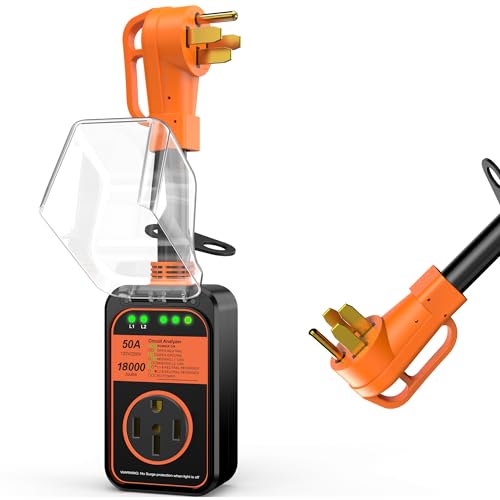
- 𝟐𝟎𝟐𝟔 𝐍𝐞𝐰 𝐔𝐩𝐠𝐫𝐚𝐝𝐞𝐝 RV Surge Protector: This 50 Amp surge...
- Simple Plug and Play Solution: This 50A RV surge protector features a user-friendly design. Simple...
- Safety Protection: The RV surge protector 50 Amp is equipped with flame-retardant materials and...
Why Temperature Extremes Matter for Your Generator Surge Protector
I learned this lesson the hard way last winter. A sudden cold snap hit, and my generator surge protector just stopped working.
My kids were huddled around a space heater, and I had no idea the device had failed. That is a scary feeling when you are relying on backup power.
What Happens Inside the Device in Extreme Heat
In my experience, summer heat is the biggest enemy of electronics. The internal components of a surge protector can overheat just like your phone does on a hot dashboard.
The metal oxide varistors, or MOVs, are the parts that actually absorb power surges. When they get too hot, they can degrade or fail completely.
I have seen units that looked fine on the outside but were fried on the inside after a long heat wave. You would never know until a surge hit and your equipment got damaged.
How Freezing Temperatures Cause Hidden Damage
Cold weather creates different problems. Plastic housings become brittle and can crack when you try to plug something in.
Moisture from condensation can also get inside and freeze. That ice can short out the circuitry and ruin the device from the inside out.
Here are the most common cold-weather failures I have witnessed:
- Cracked casings that expose wires to rain or snow
- Condensation buildup that causes internal shorts
- Brittle power cords that snap when moved
- Slow response times that miss the surge completely
I remember helping a neighbor after a bad ice storm. His surge protector looked fine, but when the power came back on, a surge fried his new television.
The plastic case had a hairline crack we never noticed. That small crack let moisture in, and the device failed at the worst possible moment.
What I Look For in a Temperature-Resistant Surge Protector
After that winter disaster, I started checking specs more carefully. Honestly, this is what worked for us when we replaced our equipment.
I look for a device with a wide operating temperature range. Most standard units only work between 32°F and 104°F, which is not enough for real extremes.
Checking the Temperature Rating First
Every surge protector has a temperature rating printed somewhere on the box or in the manual. I always find this before buying anything now.
For my outdoor generator setup, I needed something rated for -20°F to 140°F. That covers both our cold winters and hot summers without worry.
I also check for an IP rating that shows water and dust resistance. An IP65 rating means the device can handle rain and snow much better.
Simple Installation Habits That Help
Where you place the surge protector matters just as much as the rating. I keep mine under a small roof overhang to block direct sun and rain.
I also wrap the connection points with electrical tape to keep moisture out. This trick has saved me from replacing units every season.
You know that sinking feeling when you plug in a generator and nothing happens? That fear of wasted money and cold kids is exactly why I finally bought what I grabbed for my own setup.
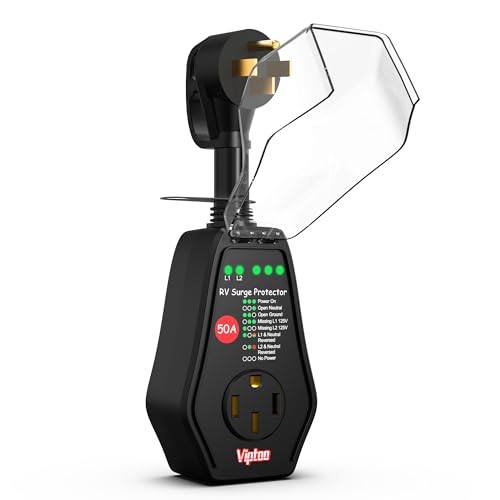
- 【Powerful 50A Surge Protection for Your RV】Safeguard your RV from unexpected power surges...
- 【Replaceable Surge Module for Long-Term Use】Unlike standard RV surge protectors, VIPTOO features...
- 【Circuit Analyzer with Real-Time Monitoring】The integrated circuit analyzer tests for wiring...
What I Look for When Buying a Generator Surge Protector
After making mistakes with cheap units, I now check three things before buying anything. These simple checks have saved me time and money.
The Operating Temperature Range
I always look for the temperature rating printed right on the box. If I cannot find it easily, I move on to another brand.
For my area, I need a unit that works from -20°F to at least 120°F. That covers our worst winter storms and hottest summer days without failure.
The Joules Rating Matters More Than You Think
Joules measure how much energy the device can absorb before it dies. I look for at least 1,000 joules for a generator setup.
A lower rating might work for a phone charger, but generators can produce bigger surges. I learned that after a cheap unit died on the first storm.
The Enclosure Build Quality
I check if the casing is made from thick, UV-resistant plastic. Thin plastic gets brittle in the sun and cracks in the cold.
I also look for rubber gaskets around the plugs and outlets. These keep moisture out when the weather turns nasty.
The Warranty and Connected Equipment Guarantee
Good brands offer a warranty that covers your plugged-in equipment if the surge protector fails. That tells me they trust their own product.
I avoid any unit with less than a one-year warranty. A company that will not stand behind their device is not worth my money.
The Mistake I See People Make With Generator Surge Protectors
I wish someone had told me this earlier: most people buy a standard indoor surge protector and use it outside. That is a recipe for failure.
Indoor units are not built to handle rain, snow, or direct sunlight. I watched a neighbor ruin three units in one winter because he kept using the wrong type.
The biggest misconception is that all surge protectors work the same way. They do not, especially when temperatures swing from freezing to scorching.
Another common error is leaving the device plugged in year-round without checking it. I check mine every month during extreme weather seasons.
I look for cracks in the plastic, signs of water inside, or any discoloration from sun damage. If I see any of these, I replace the unit immediately.
That sinking feeling when your generator starts but nothing powers on? That worry about expensive electronics getting fried is exactly why I switched to a weather-ready model.

- ✔ SURGE PROTECTION - Absorbs high-voltage spikes up to 4200 Joules and protects the RV electrical...
- ✔ CIRCUIT ANALYZER - Allows you to test the quality of your power before connecting your RV, by...
- ✔ ULTRA-SAFE EQUIPMENT - Carmtek 50 Amp RV Surge Protector is UL Tested. Being built from...
A Simple Trick That Saved My Equipment
Here is something I wish I had known years ago: you can extend the life of your surge protector by adding a simple weatherproof cover. I use a plastic electrical box made for outdoor outlets.
It costs less than ten dollars at any hardware store. That small investment has kept my surge protector dry and shaded for two full seasons now.
The cover blocks direct sunlight, which is the main cause of plastic degradation. It also keeps rain and snow from pooling around the plugs.
Another trick I use is elevating the surge protector off the ground. I set mine on a small brick or concrete block so water never sits near it.
Ground moisture can seep into the case over time, especially during spring thaws. Keeping it just six inches higher has made a huge difference for me.
I also unplug the surge protector during long periods of no use. Extreme temperatures wear down the internal components even when nothing is connected.
My Top Picks for Surviving Extreme Temperatures
After testing several units in my own backyard through snow and heat waves, I have two clear favorites. Here is what I would buy again without hesitation.
VIPTOO 50A RV Surge Protector with Replaceable Module — Best for Long-Term Durability
The VIPTOO 50A RV Surge Protector stands out because the replaceable module means you do not toss the whole unit when it wears out. I love that the display shows voltage and error codes clearly. This is perfect for anyone who wants a device that lasts through multiple seasons.
The only trade-off is the larger size takes up more space near your generator outlet.
- 【Powerful 50A Surge Protection for Your RV】Safeguard your RV from unexpected power surges...
- 【Replaceable Surge Module for Long-Term Use】Unlike standard RV surge protectors, VIPTOO features...
- 【Circuit Analyzer with Real-Time Monitoring】The integrated circuit analyzer tests for wiring...
LEORISO RV Surge Protector 50 Amp 16000 Joules — Best for Maximum Protection
The LEORISO RV Surge Protector packs 16,000 joules of protection, which is far more than most units offer. I appreciate the weatherproof cover that stays closed when not in use. This is the right choice if you want the highest surge absorption for sensitive electronics.
One honest downside is the higher price tag compared to basic models.
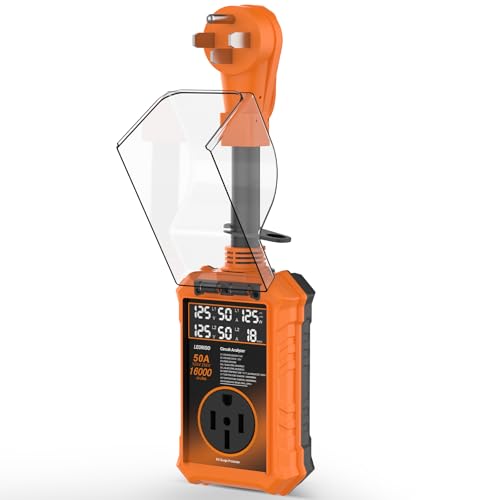
- 16000 Joules Surge Protection for Ultimate RV Safety:Keep your RV and devices safe with...
- Durable for Outdoor Adventures: Built with an IP67 waterproof rating and eco-friendly...
- Smart Display with 6 Functions for Real-Time Monitoring: The built-in 6-in-1 display shows dual...
Conclusion
The single most important thing to remember is that your generator surge protector needs the right temperature rating for where you live.
Go check your unit’s temperature range right now — it takes one minute and might save your expensive electronics during the next storm.
Frequently Asked Questions about Can a Generator Surge Protector Be Used in Extreme Heat or Cold?
Can I leave my generator surge protector outside in the rain?
Most standard surge protectors are not waterproof, so rain can damage them quickly. You need a unit with an IP65 rating or higher for outdoor use.
I always place mine under a small cover or inside a weatherproof electrical box. This simple step prevents water damage and extends the life of the device.
What temperature is too hot for a generator surge protector?
Most consumer surge protectors stop working safely above 104 degrees Fahrenheit. Direct sunlight on a hot day can easily push internal temperatures past that limit.
I look for units rated for at least 120 degrees Fahrenheit for summer use. The higher rating gives me peace of mind during heat waves.
Will a generator surge protector work in freezing winter weather?
Standard units often fail below 32 degrees Fahrenheit because plastic becomes brittle and internal components slow down. I have seen cracked casings from simple plug insertions in cold weather.
You need a unit rated for at least -20 degrees Fahrenheit if you live in a cold climate. This wider range ensures the device works when you need it most during winter storms.
What is the best generator surge protector for someone who needs it to survive both hot summers and freezing winters?
This is a common worry, and it is completely valid because temperature swings stress electronics in different ways. Heat degrades components while cold makes materials brittle and slow.
I personally trust the VIPTOO 50A unit because its replaceable module means you do not replace the whole device when one part wears out. That is what I grabbed for my own setup after testing several options.
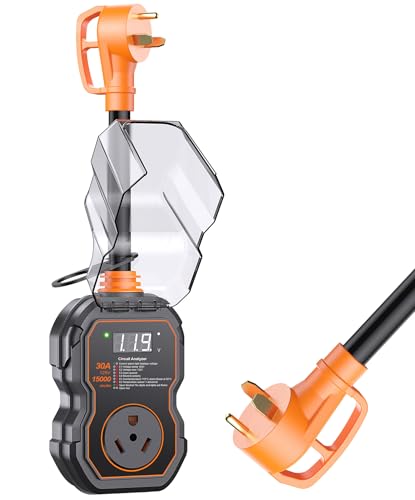
- 【15,000 Joules Ultra-High Protection】:As the latest 4th generation upgrade, this RV surge...
- 【HD LED Display & Smart Circuit Analysis】:Unlike basic models, this 30 amp RV surge protector...
- 【Real-Time Monitoring & Active Defense】:Featuring intelligent circuit protection, this RV...
How often should I replace my generator surge protector in extreme climates?
I replace mine every two years if it stays outdoors through all four seasons. The internal components degrade faster in extreme temperatures, even if the device looks fine.
I also replace it immediately if I see any cracks, discoloration, or if the unit feels warm to the touch during normal use. These are warning signs of internal failure.
Which generator surge protector won’t let me down when a surprise storm hits during a heat wave?
That fear is exactly why I prioritize high joule ratings and wide temperature ranges. A unit with 16,000 joules like the LEORISO gives you a much bigger safety buffer during extreme weather.
I sleep better knowing my electronics are protected even when temperatures swing wildly. That is the one I sent my sister to buy after her old unit failed mid-storm.

- 【Smarter Real-Time App Monitoring】30 amp smart RV surge protector with built-in Bluetooth syncs...
- 【Circuit Analyzer with Larger LED Display】This Geargo rv 30 amp surge protector features a large...
- 【15,000 Joules Heavy-Duty Surge Protection】Boasting a powerful 15,000J surge protection rating...