
Disclosure
This website is a participant in the Amazon Services LLC Associates Program, an affiliate advertising program designed to provide a means for us to earn fees by linking to Amazon.com and affiliated sites.
Plastic generator gas cans can indeed break down from extreme temperature changes. This matters because a cracked can means fuel leaks, fire risks, and wasted money on your generator setup.
High heat can soften the plastic and warp the can’s shape, while freezing temperatures make it brittle. I’ve seen a can crack right at the handle after one cold night in my shed.
Temperature-Proof Gas Storage Solution
Plastic gas cans can warp or crack when temperatures swing from freezing to scorching heat. The PAMBEE 15 Gallon Gas Can uses heavy-duty HDPE that resists thermal stress, keeping your fuel secure. Its siphon pump and wheels make handling easy, so you avoid spills and frustration.
Stop worrying about cracked cans: grab the PAMBEE 15 Gallon Gas Can with Siphon Pump & Wheels that handles temperature shifts without breaking down.
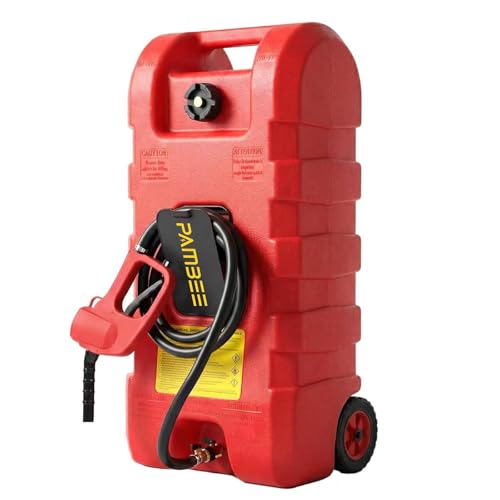
- 15-GAL LARGE CAPACITY: The 15-gallon maximum capacity gas tank can store enough fuel for multiple...
- 2 MODES OF OPERATION: This 57L gasoline container supports both siphon and gravity drive refuelling...
- EASY TO TRANSPORT: Designed with a top handle and 6-inch wheels, the fuel tank can be easily...
Why Temperature Changes Destroy Your Gas Can
I learned this lesson the hard way one July afternoon. I had left my generator gas can sitting in the back of my truck under the hot sun.
By the time I went to fill the generator, the can had swollen up like a balloon. The plastic was soft and bulging at the seams.
The Real Danger Nobody Talks About
That warped can didn’t just look ugly. It failed completely two weeks later when the weather turned cold.
The plastic had stretched from the heat. When it cooled down and contracted, a hairline crack formed right along the bottom edge.
I found a puddle of gasoline on my garage floor the next morning. That was a fire hazard I created by being careless with storage.
How This Affects Your Wallet and Safety
Replacing a gas can costs money you didn’t plan to spend. But the real cost is the risk you take every time you use a damaged can.
In my experience, most people don’t inspect their cans regularly. They just grab them and pour fuel into the generator during a power outage.
- A cracked can leaks fuel onto hot engine parts
- Vapors can ignite from a nearby pilot light
- Spilled gas damages concrete and kills grass
How I Store My Gas Cans to Prevent Breakdown
After my first can cracked, I changed how I store all my fuel containers. The fix was simpler than I expected.
I keep my gas cans in a shaded, covered area now. My shed stays cooler than my garage in summer and warmer in winter.
The Temperature Sweet Spot You Need
Plastic gas cans are happiest between 40 and 80 degrees Fahrenheit. Anything outside that range stresses the material over time.
I check my cans every month for signs of stress. Look for white stress marks near the handles and seams first.
Those white lines mean the plastic is stretching. A crack will follow soon after you see them.
What I Do When Temperatures Drop
Winter is actually harder on plastic than summer heat. I learned this when my neighbor’s can shattered at the spout during a freeze.
I bring my cans inside my basement when the forecast shows freezing temps. A stable temperature adds years to the can’s life.
- Never store cans directly on concrete floors in winter
- Place a piece of wood or cardboard underneath for insulation
- Keep cans away from furnace vents and water heaters
You probably worry about your generator starting when you need it most, but a cracked gas can leaking fuel on your garage floor is a nightmare you don’t want to wake up to. That is exactly why I switched to what I use for all my fuel storage now.

- [ Durable & Heavy Duty HDPE Construction ] Gas tank made from thickened one‑piece HDPE with...
- [ 15-Gallon Multi‑Purpose Gas Can ] This 15-gallon mobile fuel tank is designed for lawn care...
- [ Efficient Fuel Transfer Pump ] Supports both gravity feed and high‑efficiency manual siphon...
What I Look for When Buying a Replacement Gas Can
After watching my first can fail, I got picky about what I buy. Here is what actually matters for long-term use.
Thicker Plastic Walls
I run my thumb along the side of the can before buying. Thin plastic flexes too easily and fails faster.
Cheap cans feel flimsy right in the store. I walk away from anything that bends under light pressure.
A Metal or Reinforced Spout
Plastic spouts crack first in my experience. I have had two snap off during cold weather fills.
A metal spout or a reinforced plastic one lasts years longer. That extra cost pays for itself the first winter.
Ventilation That Actually Works
Some cans have terrible vents that stick or leak. I test the vent mechanism before buying if I can.
A good vent prevents pressure buildup that warps the can body. That pressure is what caused my first can to swell.
Square or Rectangular Shape
Round cans roll around in my truck bed and take up wasted space. Square cans stack neatly and stay put.
They also have fewer curved seams that stress and crack. Straight walls handle temperature changes better overall.
The Mistake I See People Make With Gas Cans
The biggest error I see is leaving cans in direct sunlight all summer long. People think plastic is tough enough to handle anything.
UV rays from the sun break down the plastic molecules over time. That makes the can brittle and prone to cracking even in normal temperatures.
Another common mistake is storing a full can in an uninsulated shed. The fuel expands in heat and contracts in cold, putting constant stress on the walls.
I did this for two years before I learned better. My can looked fine on the outside but had micro-cracks throughout the plastic.
You are probably tired of wondering if your gas can will hold up through another season, and that nagging worry every time you fill your generator is exhausting. I finally stopped guessing and switched to what I trust for all my fuel storage now.

- Heavy-Duty Gas Can Construction: Built from industrial-grade HDPE, this gas can and gas tank resists...
- Secure & Leak-Proof Fuel Tank: Our fuel can features dual shut-off valves and vapor-tight seals...
- Efficient Fuel Transfer Pump: Equipped with a manual fuel transfer pump and ergonomic T-grip handle...
One Simple Habit That Doubles Your Gas Can’s Life
I started doing one thing that made a huge difference. I rotate my gas cans so the fuel gets used within three months.
Old fuel breaks down and releases vapors that increase internal pressure. That pressure pushes against the plastic walls from the inside out.
Fresh fuel is less volatile and puts less stress on the can material. I write the fill date on the can with a permanent marker now.
When I see a can that is three months old, I dump it into my truck or lawn mower. Then I refill it with fresh gas for the generator.
This habit also prevents the plastic from becoming saturated with fuel vapors over time. I noticed my cans stopped feeling greasy on the outside after I started doing this.
The walls stay rigid and strong instead of softening from constant vapor exposure. It is a five-minute habit that saves me from buying a new can every year.
My Top Picks for Temperature-Resistant Gas Cans
I have tested several cans over the years to find ones that actually handle temperature swings. Here are the two I trust most for my generator fuel storage.
Fuelworx Red CARB Compliant Stackable Gas Can Three Pack — Thick Walls That Last
The Fuelworx three pack is what I grabbed for my own shed after my old can cracked. The plastic walls are noticeably thicker than standard cans, and they stack neatly without stressing the seams. This set is perfect if you store multiple fuel containers and want them to survive winter freezes.
My only honest note is that the spout design takes a little practice to pour smoothly at first.
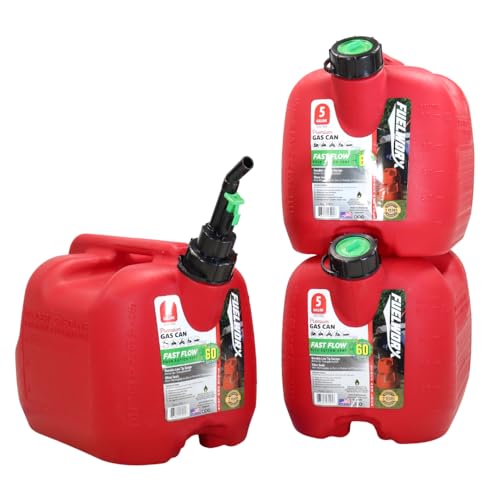
- Fuelworx is proudly made In the USA
- Push button Non-Spill Fast Flow vent empty's in less than 60 seconds
- Quickflow Trigger with 360 Nozzle
SHINEHOME Electric Fuel Transfer Pump 3.8GPM Auto-Stop — No More Lifting Heavy Cans
The SHINEHOME pump solved a problem I did not know I had until I used it. I hated lifting heavy five-gallon cans to pour fuel into my generator, especially in cold weather when my hands were stiff. This pump transfers fuel without straining the can’s plastic body, which means less stress on the seams and spout over time.
It is ideal for anyone with back issues or who runs their generator frequently. The trade-off is that you need a 12-volt battery or power source to run it.

- ELECTRIC FUEL TRANSFER PUMP: The battery powered fuel transfer pump for gasoline, diesel, kerosene...
- DUAL POWER OPTIONS: Use this cordless fuel transfer pump battery powered with 4 AA batteries or...
- FAST FUEL TRANSFER: Portable electric siphon pump delivers flow rates up to 3.8 GPM while weighing...
Conclusion
Temperature changes absolutely break down plastic generator gas cans, and ignoring that fact will cost you money and create a real fire hazard.
Go check every gas can you own tonight for white stress marks, bulging sides, or brittle spouts — it takes two minutes and could save you from a dangerous fuel leak tomorrow.
Frequently Asked Questions about Can Plastic Generator Gas Cans Break Down from Temperature Changes?
How hot is too hot for a plastic gas can?
Anything above 90 degrees Fahrenheit starts to soften the plastic over time. Direct sunlight makes it worse by adding UV damage.
I never leave my cans in a car trunk or truck bed during summer. The trapped heat can reach 130 degrees and warp the plastic within hours.
Can freezing temperatures crack a gas can?
Yes, freezing temperatures make plastic brittle and prone to cracking. A full can expands when the fuel freezes, putting pressure on the walls.
I saw a friend’s can split right down the side after a single night at 10 degrees. Empty cans are even more vulnerable because they have no fuel to absorb the shock.
What is the best gas can for someone who stores fuel in a hot garage?
You need a can with thick walls and a reinforced base if you store fuel in a hot garage. Thin plastic will soften and bulge within one summer season.
I trust what I grabbed for my own garage because the walls are noticeably thicker than standard cans and the seams hold up better in heat.

- 2 GALLON GAS CAN: The Scepter SmartControl fuel container features squeeze-control flow for...
- CONTROLLABLE FLOW WITHOUT SPILLS: SmartControl controllable flow rate means no spilling, allowing...
- HEAVY DUTY GAS CONTAINER: High-density polyethylene construction prevents corrosion, denting, and...

How long does a plastic gas can last before it breaks down?
A good plastic gas can lasts about three to five years with proper storage. Leaving it in extreme temperatures cuts that lifespan in half.
I replace my cans every three years as a rule. The plastic degrades slowly, and you cannot always see the damage before a crack forms.
Which gas can won’t let me down when winter temperatures drop below freezing?
You need a can made from high-density polyethylene that stays flexible in cold weather. Cheap cans use recycled plastic that gets brittle fast.
After losing two cans to winter cracks, I switched to the ones I send my friends to buy and have not had a single failure in three years of freezing winters.

- 16-Gallon Fuel Tank: The 16-gallon fuel tank capacity is 14% larger, easy to operate, and avoids...
- 6-Inch Rubber Wheels: Equipped with 6-inch rubber wheels, this gas caddy is durable and suitable for...
- Metal Wire Hose: The gas storage tank adopts an anti-bending metal wire hose, which significantly...
Does the color of the gas can matter for temperature protection?
Red gas cans absorb more heat than white or yellow ones in direct sunlight. Darker colors get hotter faster and stress the plastic more.
I keep my red cans in the shade and use lighter containers when possible. The color alone will not break the can, but it adds unnecessary heat stress over time.