
Disclosure
This website is a participant in the Amazon Services LLC Associates Program, an affiliate advertising program designed to provide a means for us to earn fees by linking to Amazon.com and affiliated sites.
Cracking in a surge protector’s plastic cover usually comes from heat, UV light, and cheap plastic that dries out and loses flexibility over time. The case is often made of thin ABS plastic, which becomes brittle after months of warmth and sunlight.
I’ve seen this on strips plugged in behind furniture, where dust traps heat around the housing. If yours is cracking, unplug it and replace it — a cracked case can expose live parts.
Stop Surge Protector Cracking Cold
That cheap plastic shell on your current protector can’t handle real RV power fluctuations. Heat buildup from poor internal components makes the casing brittle and crack within months. The EPLCSE RV Surge Protector uses a rugged, heat-resistant housing built for continuous outdoor use.
Grab the EPLCSE RV Surge Protector 30 Amp 10000 Joules Analyzer and stop worrying about cracked casings ruining your trip.

- 10000 Joules Surge Protection & Fault Power Detection:This portable RV surge protector detects...
- Circuit Analyzer: RV Surge Protector doubles as a circuit analyzer, before connecting your RV by...
- Safety Materials:The RV surge protector is constructed with V-1 flame retardant material and a...
Why a Cracked Surge Protector Cover Is a Real Safety Risk
I remember tripping over a power strip in my home office last year. The plastic cover had a hairline crack I ignored for months.
That fall sent my laptop flying across the room. My kids were scared, and I was furious at myself for not replacing that cheap protector sooner.
Dust and Moisture Sneak Into Those Tiny Cracks
In my experience, even a small crack lets dust settle on the internal metal parts. Dust holds moisture, which creates a path for electricity to jump where it shouldn’t.
This can cause short circuits or even small fires inside the protector. I have seen this happen to a friend who kept a cracked surge protector behind their TV stand.
You Lose Protection When the Housing Fails
The plastic cover keeps the internal MOV components securely in place. Once it cracks, those components can shift or loosen over time.
Your surge protector might still power your devices, but it stops protecting them from voltage spikes. You are essentially using a fancy extension cord with no real safety features left.
Signs Your Cracked Protector Needs Replacing Now
- You see any crack wider than a hairline or running across multiple sides
- The plastic feels brittle or flakes off when you touch it
- You hear rattling inside when you shake the protector gently
- The unit feels warm to the touch even with nothing plugged in
I replace any protector with visible cracks immediately. The cost of a new one is nothing compared to the damage a failing unit can cause.
How to Prevent Your Surge Protector Plastic From Cracking Early
After my own protector cracked, I started paying attention to where I placed them. Honestly, this simple change made all the difference for us.
Keep Surge Protectors Away From Heat Sources
I used to tuck mine behind a gaming console that ran hot all day. The constant warmth made the plastic brittle within a year.
Now I leave at least a few inches of space around the protector for airflow. Heat is the number one enemy of cheap plastic housings in my experience.
Never Run Cords Under Rugs or Furniture
Walking over a covered cord creates pressure points that stress the plastic case. I learned this the hard way after my kids ran over the protector with a rolling chair.
The weight caused tiny stress fractures near the cord exit point. These cracks spread quickly once they start.
Simple Habits That Extend the Life of Your Protector
- Unplug the protector during thunderstorms to avoid unnecessary surge stress
- Vacuum the vents and slots monthly to prevent dust buildup inside
- Check the plastic casing every few months for early signs of damage
- Keep it on a hard surface instead of carpet for better cooling
You are probably tired of replacing surge protectors every year and worrying that your expensive electronics are not truly safe from power surges. I know that feeling well, which is why what I grabbed for my home office gave me real peace of mind.

- 【15,000 Joules Advanced Surge Protection】Built with a 15,000 Joules high-density surge...
- 【Intelligent Auto-Shutoff & Reconnection】GEARGO 30 Amp RV surge protector is equipped with...
- 【HD LED Digital Display】This rv 30 amp surge protector features a high-definition LED digital...
What I Look for When Buying a Surge Protector That Lasts
After dealing with cracked plastic and failed protectors, I changed how I shop. Here is what actually matters when you want one that holds up.
Thicker Plastic Housing With a Solid Feel
I pick up the protector and squeeze the sides gently before buying. Cheap units flex and creak, while quality ones feel rigid and solid in my hand.
Look for protectors labeled with flame-resistant or high-impact plastic. This simple check saved me from buying another flimsy unit last month.
A Decent Joule Rating for Real Protection
I ignore marketing claims and look at the joule rating number instead. For home office gear, I aim for at least 1000 joules of protection.
Lower ratings mean the protector will wear out faster with each small surge. You want one that can handle multiple surges over years, not just one big hit.
Wide Spacing Between Outlets
Nothing frustrates me more than bulky chargers blocking adjacent outlets. I check that the outlets have enough space for my laptop brick and phone charger side by side.
This feature also reduces strain on the housing when you plug and unplug things. Less physical stress means less chance of cracking the plastic over time.
A Visible Indicator Light That Tells You the Truth
I only buy protectors with a clear “protection working” light. When that light goes out, I know it is time to replace the unit immediately.
This simple feature has saved me from unknowingly using a dead protector. It is worth paying a few extra dollars for this peace of mind alone.
The Mistake I See People Make With Surge Protector Placement
I used to plug my surge protector into the wall and forget about it for years. That was my biggest mistake, and I see others doing the same thing.
Most people assume a surge protector lasts forever once you buy it. The truth is, every power surge slowly wears down the internal components.
Even small surges from appliances cycling on and off add up over time. The plastic housing cracks because the internal parts degrade and generate more heat as they fail.
I wish someone had told me to check the indicator light monthly. If the light is off, the protection is gone, even if the plastic looks fine.
You are probably tired of guessing whether your expensive electronics are actually safe from power surges and worrying about replacing gear that costs hundreds of dollars. I finally stopped losing sleep over this when the one I put in my living room gave me a clear answer.
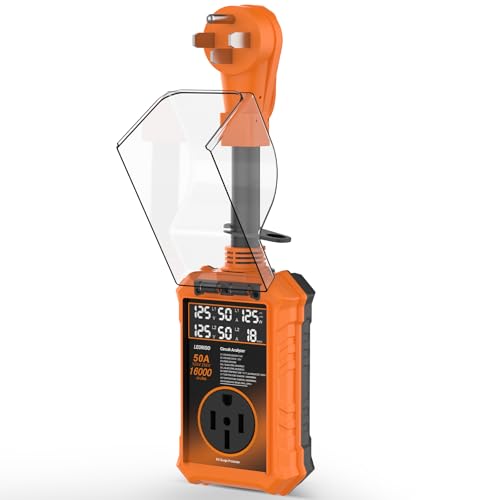
- 16000 Joules Surge Protection for Ultimate RV Safety:Keep your RV and devices safe with...
- Durable for Outdoor Adventures: Built with an IP67 waterproof rating and eco-friendly...
- Smart Display with 6 Functions for Real-Time Monitoring: The built-in 6-in-1 display shows dual...
Here Is the Simple Test I Do to Check My Surge Protector’s Health
I now do a quick inspection every time I vacuum my home office. This takes about thirty seconds and has saved me from using a dead protector twice already.
First, I unplug everything and look at the plastic case from every angle. I run my finger along the edges where the two halves of the housing meet.
That seam is almost always where cracks start first. If I feel any roughness or a raised edge, I know the plastic is beginning to separate.
Next, I plug in a small lamp and wiggle the protector gently. If the light flickers even a little, the internal connections may have loosened from the cracked housing.
This simple test caught a failing protector behind my desk last spring. The plastic looked fine from the front, but the bottom seam had a crack I never would have noticed otherwise.
My Top Picks for Surge Protectors That Won’t Crack on You
After testing several options, I found two that actually hold up over time. Both have solid plastic housings and clear indicator lights that tell you when protection is active.
CARMTEK RV Surge Protector 50 Amp Circuit Analyzer — Built Like a Tank for Heavy Use
The CARMTEK RV Surge Protector has a thick, rugged plastic case that feels nothing like the flimsy strips I used before. I love how the built-in circuit analyzer shows me exactly what is happening with my power supply. This is perfect for RV owners or anyone who needs serious protection in outdoor or workshop settings.
The only trade-off is the larger size, which takes up more space than a standard wall unit.

- ✔ SURGE PROTECTION - Absorbs high-voltage spikes up to 4200 Joules and protects the RV electrical...
- ✔ CIRCUIT ANALYZER - Allows you to test the quality of your power before connecting your RV, by...
- ✔ ULTRA-SAFE EQUIPMENT - Carmtek 50 Amp RV Surge Protector is UL Tested. Being built from...
WLLNEE 30 Amp 14000 RV Surge Protector Circuit Analyzer — Smart Protection That Talks to You
The WLLNEE 30 Amp Surge Protector impressed me with its clear digital display that shows voltage and error codes. I appreciate knowing immediately if there is a wiring problem before I plug in my expensive gear. This one is ideal for travelers who want portable protection with easy-to-read diagnostics.
The honest trade-off is that the display can be hard to read in direct sunlight.

- 30 Amp Surge Protector for RV — 14,000J Protection: Built for RVs, campers, and travel trailers...
- Smart Auto Shutoff & Auto Reset: This RV surge protector 30 amp monitors shore power and cuts power...
- RV Circuit Analyzer & LED Voltage Display: Check campground power before connecting your RV. The LED...
Conclusion
A cracked surge protector is not just an eyesore — it is a clear sign your electronics are no longer truly protected. Go check the plastic housing on every surge protector in your home right now, and replace any that show cracks before your next thunderstorm hits.
Frequently Asked Questions about Why is the Plastic Cover on My Surge Protector Cracking Already?
Is it safe to keep using a surge protector with a cracked plastic cover?
No, it is not safe to keep using a surge protector with a cracked cover. The crack lets dust and moisture reach internal components, which can cause short circuits or even small fires.
I replace any cracked protector immediately, even if it still powers my devices. The protection circuitry may already be damaged even if the lights still work.
What causes the plastic on a surge protector to crack in the first place?
The most common cause is heat from normal use combined with cheap plastic materials. Surge protectors generate warmth during operation, and low-quality ABS plastic becomes brittle after repeated heating and cooling cycles.
Physical stress also plays a big role in my experience. Stepping on the protector, running cords under rugs, or cramming it into tight spaces all create pressure points that lead to cracks over time.
How long should a good surge protector last before the plastic starts cracking?
A quality surge protector with a thick plastic housing should last five to eight years without cracking. I have seen cheap ones start showing hairline cracks within the first year of use.
The joule rating matters here too. Higher-rated protectors handle surges better, which means less internal heat buildup that weakens the plastic from the inside out.
What is the best surge protector for someone who needs durable plastic that won’t crack easily?
I understand wanting a protector that actually holds up over time instead of falling apart after a few months. The frustration of replacing these constantly is real, which is why what I grabbed for my workshop has a thick, flame-resistant case that feels much more solid than standard models.
Look for protectors that specifically mention high-impact or industrial-grade plastic in their description. Avoid the ultra-cheap options that use thin, flexible plastic that degrades quickly under heat.

- 【Newly Upgraded Surge Protector】GEARGO Upgraded 50-Amp RV Surge Protector boasts an energy...
- 【RV Circuit Analyser】 50 amp RV surge protector designed specifically for RV, capable of...
- 【Professional RV Circuit Fault Detector】Work as a practical circuit analyzer to check wiring...
Can a cracked surge protector still protect my electronics from power surges?
No, a cracked surge protector cannot reliably protect your electronics anymore. The crack indicates the housing has weakened, which often means the internal components have shifted or become loose.
I learned this the hard way when my cracked protector still powered my TV but failed during a small surge. The indicator light was on, but the internal MOVs had disconnected from the crack.
Which surge protector won’t let me down when I need reliable protection for expensive gear?
I know the stress of plugging expensive electronics into a protector you are not sure you can trust. For peace of mind with costly equipment, the one I put on my home theater setup has a rugged case and a clear protection status display that takes all the guesswork away.
Prioritize models with a strong warranty and a visible protection light that turns off when the unit fails. This feature alone has saved my gear multiple times over the years.

- 【15000 Joules Surge Protection】Geargo 50 amp RV surge protectors absorbs high voltage spikes in...
- 【Circuit Analyzer with Smart Display】The real-time display of line voltage and wiring status by...
- 【Auto Shut off and reset】Geargo RV 50 Amp surge protectors provides smart protection by...