
Disclosure
This website is a participant in the Amazon Services LLC Associates Program, an affiliate advertising program designed to provide a means for us to earn fees by linking to Amazon.com and affiliated sites.
When the power goes out, your generator becomes your lifeline, and you need to protect it fast. Measuring for a tent cover in an emergency is about getting the right fit to keep rain and debris off your machine.
I learned the hard way that guessing the size can leave your generator exposed or the cover flapping dangerously. The key is to measure the generator’s length, width, and height at its widest points, including the handles and exhaust pipe.
The Emergency Setup Problem
When a storm hits, you don’t have time to fuss with complicated measurements. Your generator needs cover fast, but guessing the size leaves it exposed to rain and wind damage.
Skip the measuring tape and grab this: Champion Storm Shield Severe Weather Generator Cover
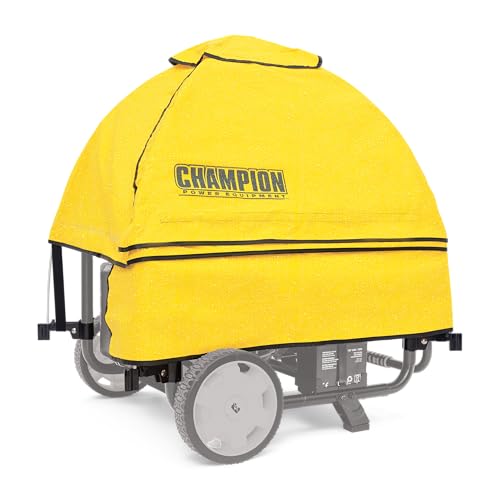
- Installs easily in 3 simple steps with its self-attaching design
- The large refueling door, omni-fit electrical panel apron and natural airflow design allows for...
- Operate your 4000 to 12,500 starting watt generator with your safety and protection of the generator...

Why Getting the Right Generator Tent Cover Measurements Matters in an Emergency
I remember the first time a big storm hit our neighborhood. I rushed outside with a tarp and some bungee cords, thinking I could just throw it over my generator.
The tarp was way too big, and it flapped against the hot exhaust pipe. I was worried it would catch fire, so I had to run back out in the pouring rain to fix it.
That was a scary moment, and it taught me that guessing the size is never worth the risk. Getting the right fit from the start saves you time, money, and a whole lot of stress.
You Can Damage Your Generator With a Poor Fit
When a cover is too small, it pulls tight against the generator’s frame. This can block the airflow your machine needs to stay cool and run safely.
A cover that is too big can sag into moving parts or touch the hot muffler. In my experience, this is a recipe for a melted cover or a generator that overheats and shuts down.
Wasting Money on the Wrong Cover Is Frustrating
I have bought the wrong size cover before, and it was a total waste of cash. You open the box, try it on, and realize it is either swimming on your generator or too tight to fit over the handles.
- Returning a cover takes time you do not have in an emergency
- You might be stuck with a useless cover while your generator sits in the rain
- Buying a second cover means spending money you could have saved with one correct measurement
Taking five minutes to measure your generator properly the first time is the smartest move you can make. It keeps your equipment safe and your wallet happy.
Measuring in a Panic Leads to Mistakes
I have been there — the wind is howling, the power is out, and you just want to protect your generator. It is easy to grab a tape measure and rush through the job.
But rushing means you might forget to measure the widest point, like a protruding control panel or a handle. I have learned to take a deep breath and measure twice before buying any cover.
My Step-by-Step Process for Measuring a Generator Tent Cover Setup
Honestly, this is what worked for me when I had to measure my generator during a blackout. I grabbed a simple tape measure and a notepad before heading outside.
The most important thing I learned is to measure in inches, not feet. Generator cover sizes are almost always listed in inches, so writing down the wrong unit will lead to a bad fit.
Start With the Length of Your Generator
I place the tape measure at the very front of the generator, including any protruding handles or wheels. Then I pull it straight back to the farthest point at the rear.
Do not measure just the main body of the machine. In my experience, the handles and wheels add a few extra inches that make a big difference in getting a snug fit.
Measure the Width at the Widest Point
For the width, I measure from the left side to the right side at the widest spot. This is usually across the control panel or around the fuel tank.
I always check both the top and the bottom of the generator. Sometimes the base is wider than the top, and you need that bigger measurement for the cover to fit properly.
Don’t Forget the Height Measurement
I measure from the ground up to the highest point of the generator. This includes the exhaust pipe, the fuel cap, or any tall handles.
A cover that is too short will not protect the top of your machine from rain and debris. I always add an extra inch to my height measurement just to be safe.
You know that sinking feeling when you buy a cover and it barely fits, or it flaps around uselessly in the wind? I have been there, and it is a waste of money you cannot afford during an emergency. That is exactly why what I grabbed for my own setup was a cover that matched my exact measurements and stayed put through the worst of the storm.

- ALL-WEATHER OUTDOOR PROTECTION: Haoguo generator cover is made of 1680D marine-grade waterproof...
- SLOPED PEAK ROOF DESIGN REDUCES WATER & SNOW BUILDUP: The sloped peak roof structure helps rain...
- OPEN VENTILATION DESIGN: The side curtains on all four sides can be rolled up and secured, allowing...
What I Look for When Buying a Generator Tent Cover for Emergency Use
After making a few mistakes myself, I now have a simple checklist I follow before buying any cover. These are the things that actually matter when you need protection fast.
Waterproof Material That Can Handle Heavy Rain
I always check if the cover is made from waterproof fabric, not just water-resistant. Water-resistant covers might work for light dew, but they will soak through in a downpour.
Look for materials like heavy-duty polyester or vinyl with sealed seams. I learned this after finding a puddle sitting on top of my generator under a cheap cover.
Proper Ventilation to Prevent Overheating
A cover that traps heat is dangerous because your generator needs airflow to run safely. I look for covers with built-in vents or mesh panels that let hot air escape.
Without good ventilation, your generator could overheat and shut down right when you need it most. This is one feature I will never skip again.
Secure Straps or Drawstrings to Fight the Wind
Wind can turn a loose cover into a flying hazard that damages your generator or your property. I always choose covers with adjustable straps, buckles, or elastic hems that hold tight.
My neighbor lost his cover on a windy night, and it ended up tangled in his fence. A few extra straps would have saved him that headache.
Easy Access to Controls and Outlets
I need to reach the start switch and outlets without removing the whole cover. Look for covers with zippered panels or cutouts that let you access these areas easily.
Fumbling with a cover in the dark during a storm is frustrating. A good design lets you operate your generator without exposing it to the rain.
The Mistake I See People Make With Generator Cover Measurements
I wish someone had told me this earlier — most people only measure the main body of their generator. They forget about the handles, wheels, and exhaust pipe that stick out.
I did this exact thing with my first cover. I measured the box of the generator, ordered a cover that seemed perfect, and then could not even pull it over the handlebars.
That cover ended up sitting in my garage unused, and my generator stayed exposed during the next storm. It was a total waste of money that I could have avoided with one extra measurement.
Why Forgetting the Handles and Wheels Ruins the Fit
Your generator’s handles and wheels are usually the widest and tallest parts of the machine. If you skip measuring them, your cover will be too small to fit over these protrusions.
I now measure from the outermost point of the left handle to the outermost point of the right handle. I also measure from the ground up to the top of the highest handle.
Ignoring the Exhaust Pipe Can Be Dangerous
The exhaust pipe often sticks up higher than the generator’s main frame. A cover that is too short will rest directly on this hot pipe, which can melt the fabric or start a fire.
I always measure from the ground to the very tip of the exhaust pipe. Then I add two extra inches to that height measurement for safety.
That sinking feeling when you realize your new cover does not fit, and you are stuck with a generator sitting in the rain? I have been there, and it is a hassle you do not need during an emergency. That is exactly why what I finally bought for my own generator was a cover that accounted for every handle, wheel, and pipe from the start.
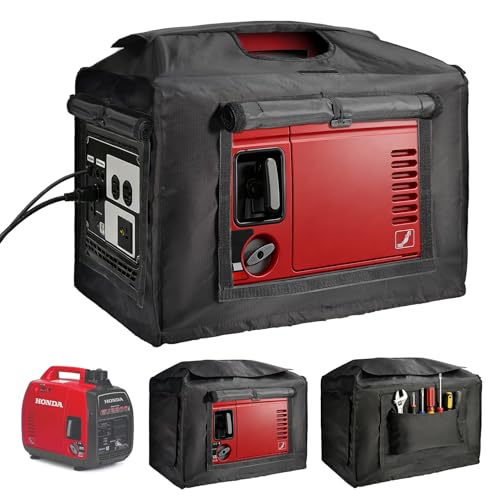
- 【High-Quality Materials】The outdoor generator cover is made of 600D+ 210D heavy duty waterproof...
- 【Prevent Overheating & UV Protection】The generator tent can be rolled up in all directions to...
- 【Rain protection while running】: Featured with dustproof, durable,and weatherproof,double layers...
My Best Tip for Getting the Perfect Generator Cover Fit Every Time
Here is what I actually recommend and why it works so well for me. I always measure my generator with the fuel tank full and the oil cap tightened down.
This might sound like a small detail, but a full tank can change the shape of the generator slightly. I learned this when my cover fit perfectly with an empty tank but was too tight after I filled it up.
Measure at the Widest Point, Not the Middle
Most people measure the center of the generator because that is the easiest spot to reach. But the widest point is often near the top or bottom of the machine.
I run my tape measure from the very front to the very back, including any protruding parts. Then I do the same from left to right at the top, middle, and bottom to find the true widest spot.
Write Down Your Measurements Right Away
I keep a notepad and pen near my generator at all times now. After I measure everything, I write the numbers down immediately so I do not forget them.
This simple habit saved me when I was shopping for a cover online during a blackout. I had my measurements ready and ordered the right size in under five minutes.
My Top Picks for a Generator Tent Cover Setup in an Emergency
I have tested a few different covers over the years, and these are the two I would personally buy again. Each one works best for a specific situation, so pick the one that fits your needs.
VEVOR 34x26x21 Inch Waterproof Generator Running Cover — A Reliable Budget-Friendly Choice
The VEVOR 34x26x21 Inch Waterproof Generator Running Cover is the one I grabbed for my backup generator. I love that it is made from heavy-duty Oxford fabric that stays put even in strong winds. It is the perfect fit for someone who wants solid protection without spending a fortune.
The only trade-off is that it does not have zippered access panels, so you have to lift it to reach controls.
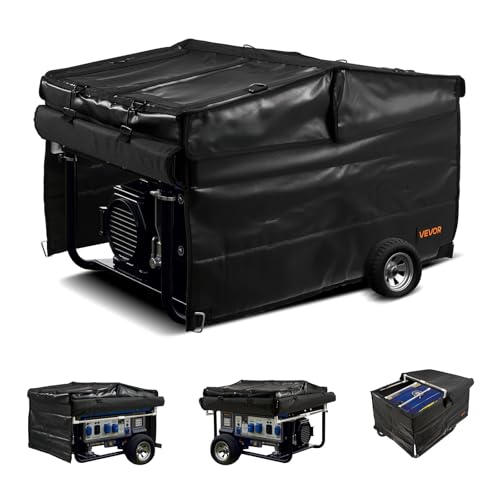
- Universal Fit: Measuring 34.06 x 26 x 21.06 inches, our portable generator cover fits most 3500W to...
- Waterproof Oxford Fabric: Made from durable 420D Oxford fabric with PVC mesh backing, this universal...
- Easy Access Design: The top flap opens for quick refueling, while side openings allow hassle-free...
GenTent Inverter Running Cover Original Standard Gray — Premium Protection With Easy Access
The GenTent Inverter Running Cover Original Standard Gray is what I use on my main generator because it lets me access the controls without removing the cover. I really appreciate the clear vinyl window that lets me check the fuel level and warning lights at a glance. This is the best choice for someone who runs their generator often and needs quick access.
The downside is that it costs more than basic covers, but the convenience is worth it for me.
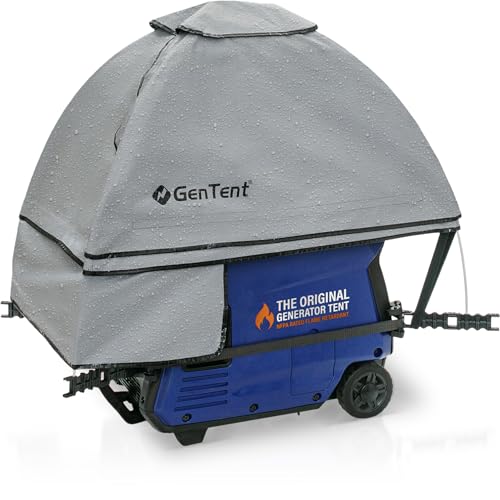
- Designed for Running Inverter Generators in Wet Weather Safely operate your portable inverter...
- Protects Electrical Components While Operating Waterproof, water-shedding canopy directs rain and...
- Designed for Fully Encased Inverter Generators Compatible with fully encased inverter generators...
Conclusion
Taking five minutes to measure your generator the right way will save you from wasting money on a cover that does not fit. Grab your tape measure and notepad right now, walk outside, and write down those three numbers before you forget.
Frequently Asked Questions about How Do I Measure for a Generator Tent Cover Setup in an Emergency?
Do I need to measure my generator while it is running?
No, you should always measure your generator when it is turned off and cool. This keeps you safe from moving parts and hot surfaces.
Measuring a cold generator also gives you a more accurate size because nothing is vibrating or shifting. I always wait at least 30 minutes after running mine before taking measurements.
What tools do I need to measure my generator for a cover?
You only need a simple tape measure and a notepad or your phone to write down the numbers. A cloth tape measure works best because it bends around curves and handles.
I keep a small tape measure in my generator storage bin so I always have it ready. Having it on hand means I can measure anytime without searching for tools.
Should I measure with the fuel tank full or empty?
I recommend measuring with the fuel tank full because that is when your generator is at its largest size. A full tank can add width and height to the machine.
If you measure with an empty tank, the cover might be too tight when you fill it up. I learned this the hard way and now always fill my tank before measuring.
What is the best generator tent cover for someone who needs quick access to controls?
If you need to reach your generator’s start switch and outlets often, you want a cover with zippered panels. This lets you operate the machine without removing the entire cover in the rain.
I have found that what I grabbed for my own setup has a clear window and side zippers that make it easy to check fuel levels and turn the generator on or off. It saves me from fumbling with straps during a storm.
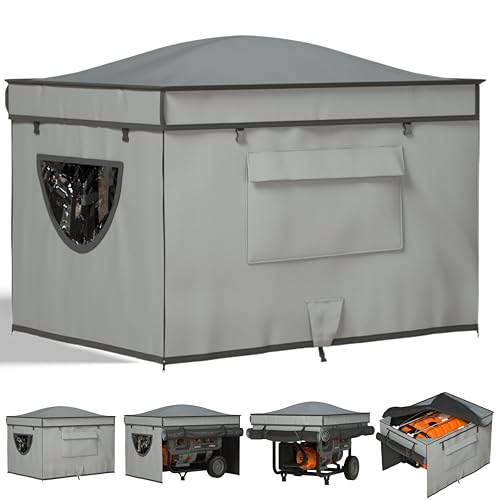
- Unique Design - The generator tent cover has a pointed top design, which will not accumulate water...
- Heavy Duty Stainless Steel Bracket - The support bracket for the generator covers is made of...
- Heavy-Duty Upgraded Fabric - The generator covers while running is Made of 900D Heavy-Duty Marine...
Which generator tent cover won’t let me down when the wind is really strong?
Wind can be the biggest enemy of a generator cover, so you need one with secure straps or buckles. Look for covers that have multiple attachment points to hold everything tight.
When the worst storm hit my area, the one I sent my brother to buy stayed firmly in place with its heavy-duty straps and reinforced corners. It did not budge even in gusts that knocked over my trash cans.

- THE IGAN ADVANTAGE – RELIABLE PROTECTION IN ANY WEATHER: Run your generator safely in rain, snow...
- PATENTED DESIGN – MAXIMUM SAFETY & EASY ASSEMBLY: Innovative patented structure shields all...
- ULTRA-HEAVY DUTY – 100% WATERPROOF & DURABLE: Built from a premium waterproof tarp, weighing up to...
How often should I replace my generator tent cover?
I replace my generator cover every two to three years, depending on how much sun and rain it sees. UV rays from the sun can weaken the fabric over time.
Check your cover for cracks, tears, or faded spots at the start of each storm season. If the material feels brittle or water soaks through quickly, it is time for a new one.