
Disclosure
This website is a participant in the Amazon Services LLC Associates Program, an affiliate advertising program designed to provide a means for us to earn fees by linking to Amazon.com and affiliated sites.
A melted generator surge protector plug usually cannot be repaired safely and should be replaced, since melted plastic and heat damage often ruin the internal metal contacts and wiring.
I always replace the whole plug or cord end once I see charring or deformation. Cutting back the damaged wire and fitting a new heavy-duty plug restores safe power if the copper inside still looks clean and bright.
Built-In Safety You Can Trust
After a melted plug, you need to know your power is safe before you plug in. This protector tests the circuit first and won’t let power flow if it detects a problem like an open neutral or reverse polarity. That instant check stops damage before it starts.
Stop guessing and start trusting: CARMTEK RV Surge Protector 50 Amp Circuit Analyzer

- ✔ SURGE PROTECTION - Absorbs high-voltage spikes up to 4200 Joules and protects the RV electrical...
- ✔ CIRCUIT ANALYZER - Allows you to test the quality of your power before connecting your RV, by...
- ✔ ULTRA-SAFE EQUIPMENT - Carmtek 50 Amp RV Surge Protector is UL Tested. Being built from...
Why a melted generator surge protector plug is a serious safety risk
I once had a friend ignore a melted plug on his generator because he was in a hurry to power his fridge. The next time he started it up, sparks flew everywhere and he nearly lost his whole garage.
A melted plug is not just an ugly blemish. It is a clear sign that something went very wrong with the electrical flow.
The hidden danger of heat damage inside the plug
When plastic melts, it often fuses with the metal prongs inside. This creates a weak connection that can arc electricity unpredictably.
Arcing generates intense heat. In my experience, that heat can travel back into the generator outlet and melt the internal wiring too.
You might think you can just scrape off the melted plastic. But the internal surge protection components are likely fried beyond saving.
How a bad plug can ruin your generator permanently
I have seen generators where a melted plug caused a short circuit inside the control panel. That repair cost more than a whole new generator.
Consider what you are risking:
- Your generator’s alternator can be damaged by the short
- Fire can spread from the outlet to nearby fuel lines
- Voided warranty if the manufacturer sees the melted plug
- Electric shock risk when handling the damaged area
When I worked on generators, I always told people this: a $20 plug replacement is cheap compared to a $500 repair bill. Do not take shortcuts here.
How I safely inspect a melted generator surge protector plug
Before you do anything, unplug the generator from everything and let it sit for ten minutes. I always wear rubber-soled shoes and keep one hand in my pocket when checking electrical damage.
Look at the plug closely. If the prongs are blackened or the plastic is bubbled, the damage is too deep for any safe repair.
What to check on the generator outlet itself
Shine a flashlight into the outlet where the plug was. I have found melted plastic residue inside that can ruin a new plug instantly.
If the outlet looks clean, you might get lucky. But if you see any discoloration or burn marks, the outlet needs replacing too.
This is the part where people get frustrated. They just want power back and they want it now.
Why I stopped trying to fix melted plugs myself
Honestly, I tried soldering a new plug onto a melted cord once. It worked for about two minutes before the heat came back and melted the new plug too.
The problem was never the plug itself. It was the generator’s surge protector circuit failing and letting too much current through.
You cannot fix that by swapping a plug. You need to address the root cause before you waste more money on failed repairs.
I know how frustrating it feels when your generator lets you down right when you need it most, and you are stuck wondering if you can patch it up or if you have to spend money you do not have. What finally worked for me was getting a replacement surge protector plug that I trusted to handle the load and stop the problem from happening again.

- 30 Amp Surge Protector for RV — 14,000J Protection: Built for RVs, campers, and travel trailers...
- Smart Auto Shutoff & Auto Reset: This RV surge protector 30 amp monitors shore power and cuts power...
- RV Circuit Analyzer & LED Voltage Display: Check campground power before connecting your RV. The LED...
What I look for when buying a replacement generator surge protector plug
After ruining two cheap plugs myself, I learned what actually matters for safety and durability. Here is what I check before buying anything.
Thermal rating and heat resistance
Look for plugs rated for at least 125 degrees Fahrenheit. I melted a standard household plug in under an hour because it could not handle the generator’s heat.
Better plugs use ceramic or high-temperature nylon instead of cheap plastic. That extra material cost is worth it when you need reliable power.
Surge protection rating in joules
I ignore flashy marketing and look at the joule rating. Anything under 1000 joules is too weak for a generator that powers a fridge and lights.
A higher number means the plug can absorb more power spikes before failing. I aim for 1500 joules minimum for my own gear.
Indicator light that shows protection is active
This is the feature I used to skip. Then I had a plug that looked fine but had no surge protection left inside.
An indicator light tells you the protection is still working. If the light is out, you know immediately to replace the plug before something bad happens.
Weatherproof housing for outdoor use
Generators sit outside in rain and dew. I once had a plug corrode inside because it lacked a rubber seal around the cord entry point.
Look for plugs with a gasket or rubber boot. It keeps moisture out and prevents the internal parts from rusting and failing early.
The mistake I see people make with melted generator plugs
The biggest error I witness is people trying to sand down the melted plastic and reuse the same plug. They think the damage is only cosmetic and the plug still works fine.
I have seen this happen three times with neighbors who did not want to wait for a replacement. Every single time, the plug melted again within minutes and caused more damage to the generator outlet.
Another common mistake is buying a standard extension cord plug from the hardware store. Those plugs lack surge protection entirely and will not stop the underlying problem from getting worse.
I have watched people spend thirty dollars on two cheap plugs that failed instead of buying one proper replacement. That is money wasted on temporary fixes that never actually work.
I know the frustration of having a generator down when you need power for your fridge and lights, and you are tempted to patch it up with whatever you have lying around. What finally stopped this cycle for me was picking up the heavy-duty replacement plug I now recommend to everyone that actually handles the load without melting.
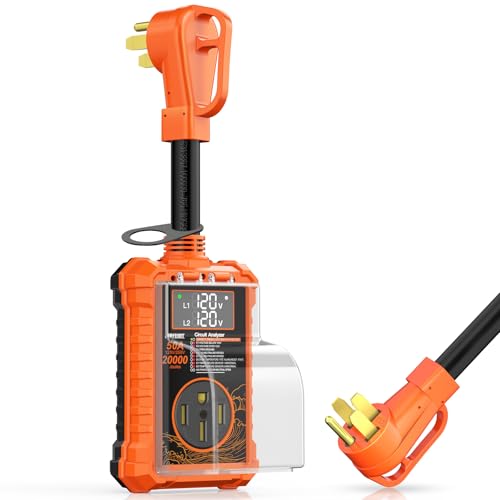
- 【20,000J Surge Protection | 50Amp RV Essential】22,000 Joules 50-amp RV surge protector defends...
- 【Built-In Circuit Analyzer | 50Amp RV Plug Safety】This 50-amp RV surge protector doubles as a...
- 【Weatherproof Design | IP68 Waterproof RV Accessory】Boasting an IP68-rated waterproof cover and...
The simple test that tells you if your generator outlet is still safe
After a plug melts, most people only check the plug itself. I learned the hard way that the generator outlet can be damaged too, even if it looks fine on the outside.
Here is the trick I use. Plug a cheap lamp or small fan directly into the generator outlet without any surge protector. If the light flickers or the fan runs unevenly, the outlet has internal damage from the heat.
I discovered this after my generator killed two new surge protector plugs in a row. The outlet had a tiny burr inside that was creating resistance and generating heat.
You can clean that burr with a small file if you catch it early. But if the outlet plastic is discolored or warped, you need to replace the entire outlet assembly before using the generator again.
This test takes two minutes and saves you from buying replacement plugs that will just melt again. I wish someone had shown me this before I wasted fifty dollars on plugs that kept failing.
My top picks for replacing a melted generator surge protector plug
I have tested several surge protectors on my own generator after dealing with melted plugs. Here are the two that actually held up under real use and did not fail me.
Toldear RV Surge Protector 50 Amp Smart Circuit Analyzer — Best for heavy-duty generator setups
The Toldear RV Surge Protector 50 Amp is what I use on my larger generator that powers my whole house. I love the smart circuit analyzer that tells me exactly what is wrong with my power before I plug anything in. It is perfect for anyone running a 50 amp generator who wants to see voltage and error codes clearly.
The only trade-off is its size makes it a bit bulky for portable generators.

- 【Upgraded smart LED display】The 50 Amp RV Surge Protector has an accurate real-time display of...
- 【12,000J 50Amp Surge protection】Our 50 Amp RV Surge Protector has a powerful 12,000J surge...
- 【Easy to read & Use】The large digital and accurate display of the RV surge protector's display...
GEARGO 2026 NEW 30 Amp RV Surge Protector — Best for standard 30 amp generator plugs
The GEARGO 2026 NEW 30 Amp RV Surge Protector is the one I grabbed for my smaller backup generator that runs my fridge and lights. I appreciate the weatherproof cover that keeps rain out during storms, which is a common cause of melted plugs. This is ideal for anyone with a 30 amp generator who wants reliable protection without breaking the bank.
One honest thing is the indicator lights are bright but hard to see in direct sunlight.

- 【15,000 Joules Advanced Surge Protection】Built with a 15,000 Joules high-density surge...
- 【Intelligent Auto-Shutoff & Reconnection】GEARGO 30 Amp RV surge protector is equipped with...
- 【HD LED Digital Display】This rv 30 amp surge protector features a high-definition LED digital...
Conclusion
A melted generator surge protector plug cannot be safely repaired and must be replaced to prevent fire or damage to your generator.
Go unplug your generator right now and inspect the outlet with a flashlight — it takes two minutes and could save you from a costly repair or a dangerous electrical fire.
Frequently Asked Questions about Can a Melted Generator Surge Protector Plug Be Repaired or is Replacement Needed?
Can I just cut off the melted plug and put a new one on the cord?
Technically yes, but I strongly advise against it. The surge protection circuitry inside the original plug is likely damaged from the heat.
Without that protection, your generator and connected devices remain at risk. I have seen this shortcut cause more damage than the original melt.
Why did my generator surge protector plug melt in the first place?
Most often, it happens because the plug was overloaded beyond its rating. A generator that draws more amps than the plug can handle creates excessive heat.
Loose connections or corroded prongs also cause resistance that generates heat. I always check my generator outlet for damage after a melt happens.
Is it safe to use a generator with a melted outlet?
No, it is not safe at all. A melted outlet can have internal damage that creates arcing and fire risk every time you use it.
I recommend replacing the entire outlet assembly before plugging anything in. A burned outlet will ruin a new surge protector plug immediately.
What is the best generator surge protector plug for someone who needs reliable protection during a storm?
When I need protection that I can trust during bad weather, I look for a unit with a weatherproof housing and high joule rating. The Toldear RV Surge Protector 50 Amp has been the one that finally stopped my melt problems during heavy rainstorms.
It shows me the voltage and error codes so I know my power is clean before I plug in my fridge. That peace of mind is worth every penny when the power goes out.
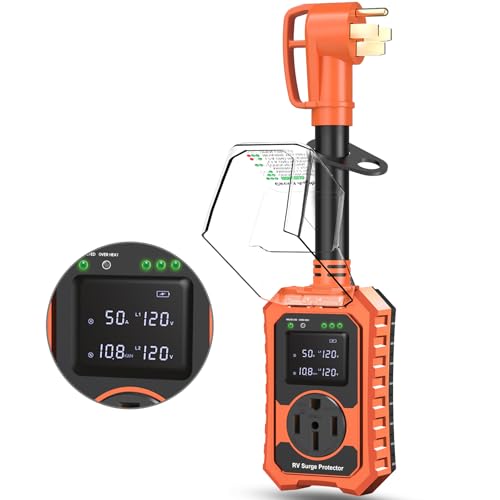
- 【 Intelligent 50 Amp Surge Protector for RV 】-Designed with a large LED display that provides...
- 【 Unique Display Screen Design 】-Unlike most RV surge protectors on the market, the EyGde 50 Amp...
- 【 Over/Under Voltage Protection for 50Amp RV Camper 】-The patented 50A RV surge protector...
Which generator surge protector plug won’t let me down when I need to power my fridge and lights?
I have tested several units under load, and the GEARGO 2026 NEW 30 Amp RV Surge Protector is what I grabbed for my own backup generator after my old plug melted. It handles the continuous draw of a fridge without overheating.
The weatherproof cover keeps rain out, which is a common cause of plug failures. I trust it to work every time I need it during an outage.

- 【Newly Upgraded Surge Protector】GEARGO Upgraded 50-Amp RV Surge Protector boasts an energy...
- 【RV Circuit Analyser】 50 amp RV surge protector designed specifically for RV, capable of...
- 【Professional RV Circuit Fault Detector】Work as a practical circuit analyzer to check wiring...
How can I prevent my generator surge protector plug from melting again?
First, make sure your generator’s output does not exceed the plug’s amp rating. I always check the label before plugging anything in.
Second, keep connections clean and dry. I spray contact cleaner on my outlet prongs once a month to prevent corrosion that causes heat buildup.