
Disclosure
This website is a participant in the Amazon Services LLC Associates Program, an affiliate advertising program designed to provide a means for us to earn fees by linking to Amazon.com and affiliated sites.
Rolling back the top cover on your generator tent is helpful for air flow, but it leaves you wondering how to keep it safely out of the way. Getting this right matters because a loose cover can flap in the wind or block the exhaust, creating a real safety hazard.
Most tent covers have built-in tie-down straps near the top seam that are specifically designed for this job. I always loop the strap around the rolled fabric and cinch it tight, making sure the material stays flat against the tent frame rather than bunching up.
Stop Tangled Flaps From Ruining Your Setup
You finally get the rolled top cover secured, only to have a gust of wind rip it loose again. The loose fabric slaps against your generator and leaves the control panel exposed to rain. The Champion Storm Shield uses a reinforced zipper and heavy-duty straps that lock the rolled section in place tight.
I use the Champion Storm Shield Severe Weather Generator Cover because its integrated cinch straps and storm flap end the constant re-tightening battle after every breeze.
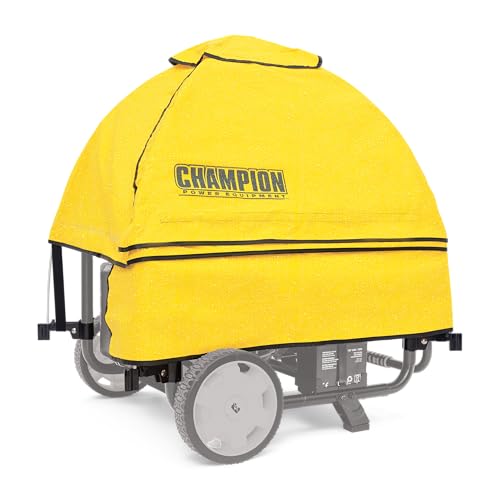
- Installs easily in 3 simple steps with its self-attaching design
- The large refueling door, omni-fit electrical panel apron and natural airflow design allows for...
- Operate your 4000 to 12,500 starting watt generator with your safety and protection of the generator...

Why a Loose Generator Tent Cover Is a Real Problem
I learned this lesson the hard way during a big storm last spring. I had rolled back the top cover on my generator tent to let the engine cool down, and I simply tucked it over the frame.
Within an hour, a strong gust of wind caught that loose flap like a sail. The entire tent shifted sideways, and the generator exhaust ended up pointing right at my garage wall.
The Danger of Trapped Exhaust Fumes
Carbon monoxide is nothing to mess around with. If your rolled back cover blocks the exhaust outlet, those deadly fumes can build up fast.
I have seen tent covers melt from the heat of a generator exhaust pipe. That melted plastic drips onto the hot engine and creates a terrible smell and a fire risk.
Wind Damage Costs You Money
A flapping cover acts like a giant kite in high winds. The constant whipping motion puts stress on the tent frame joints and the fabric seams.
I watched my neighbor’s tent frame bend and collapse because the rolled top cover caught the wind. He had to buy a whole new tent cover and a replacement frame.
Rain and Debris Getting Inside
When you roll back the top cover, you expose the generator to the elements. But if the rolled fabric is not secured tight, rain water can run down the inside of the flap and drip onto your generator’s control panel.
Moisture inside the electrical components leads to corrosion and expensive repairs. I always double-check my tie-downs now to keep that rolled fabric snug against the tent frame.
How I Secure the Rolled Back Top Cover on My Generator Tent
After that storm incident, I sat down and figured out a system that actually holds the cover in place. Honestly, this is what worked for us, and it takes less than two minutes to do.
Using the Built-In Tie-Down Straps Correctly
Most generator tent covers come with straps sewn into the top seam. I grab those straps and wrap them around the rolled fabric once, then pull tight.
The trick is to cinch the strap so the rolled section sits flat against the tent frame. If the fabric is bunched up, it creates a pocket that catches wind.
Folding the Cover Before Rolling It
I always fold the top cover into a neat rectangle before I start rolling it back. A flat fold rolls up much tighter than a crumpled ball of fabric.
This tight roll is easier to secure with the straps. It also leaves less surface area for the wind to grab onto during a storm.
Adding a Bungee Cord for Extra Security
For really windy days, I add a small bungee cord over the rolled section. I hook one end to the tent frame on the left and the other end on the right.
This extra tension keeps the rolled cover pressed firmly against the frame. I have not had a single cover blow loose since I started doing this.
You know that sinking feeling when you hear fabric flapping outside during a storm and realize your generator tent cover is loose again — I finally stopped worrying about that mess when I grabbed these bungee cords that actually hold tight.

- THE IGAN ADVANTAGE – RELIABLE PROTECTION IN ANY WEATHER: Run your generator safely in rain, snow...
- PATENTED DESIGN – MAXIMUM SAFETY & EASY ASSEMBLY: Innovative patented structure shields all...
- ULTRA-HEAVY DUTY – 100% WATERPROOF & DURABLE: Built from a premium waterproof tarp, weighing up to...
What I Look for When Buying a Generator Tent Cover
After replacing two covers in three years, I learned exactly what features actually matter. Here is what I check before I buy anything now.
Sturdy Tie-Down Points on the Top Seam
I always look for covers that have reinforced straps sewn into the top seam, not just cheap loops. On my old cover, the straps ripped out after one season of use.
Those straps are what hold your rolled back top cover in place. If they tear, you cannot secure the fabric at all during windy weather.
Heavy-Duty Fabric That Can Take Heat
The cover sits right above your generator’s exhaust pipe, so the material needs to handle some heat. I look for thick polyester or canvas that feels heavy in my hands.
Thin fabric will melt or burn through after a few uses. My first cover had a hole burned right over the exhaust outlet within two months.
Adjustable Fasteners at the Bottom
A good cover has straps or buckles at the bottom corners that let you cinch it tight around the frame. Loose bottoms let the whole tent shift when the wind picks up.
I prefer buckles over plastic clips because they do not break in cold weather. Metal or heavy-duty plastic hardware lasts much longer in my experience.
A Snug Fit That Matches Your Frame Size
I always measure my tent frame before ordering a replacement cover. A cover that is too big will flap and collect water, while one that is too small will rip at the seams.
Most brands list exact frame dimensions in the product description. I take two minutes to measure and avoid a lot of frustration later.
The Mistake I See People Make With Generator Tent Cover Tie-Downs
I see folks roll back their top cover and just tuck the loose fabric behind a tent pole. They think that is enough to hold it, but it never is.
The fabric slips out within minutes once the wind picks up. I watched a neighbor do this exact thing, and his cover ended up wrapped around his generator’s air intake.
Another common mistake is using a single strap in the middle of the rolled section. That leaves both ends loose to flap and catch the wind like two small flags.
You need to secure the cover at both ends of the roll, not just the center. I always use two tie-down points to keep the whole roll flat against the frame.
That sinking feeling when you hear fabric flapping at 2 AM and know you have to go outside in the rain to fix it — I stopped dealing with that nonsense when I finally bought these heavy-duty tent straps that actually hold.

- THE IGAN ADVANTAGE – RELIABLE PROTECTION IN ANY WEATHER: Run your generator safely in rain, snow...
- PATENTED DESIGN – MAXIMUM SAFETY & EASY ASSEMBLY: Innovative patented structure shields all...
- ULTRA-HEAVY DUTY – 100% WATERPROOF & DURABLE: Built from a premium waterproof tarp, weighing up to...
The Simple Fold Trick That Changed How I Secure My Cover
Here is the trick I wish someone had shown me years ago. Before you roll the top cover back, fold the leading edge over itself about six inches.
This creates a thick double layer of fabric at the edge of the roll. That doubled fabric is much stiffer and does not sag or bunch up when you cinch the straps tight.
I started doing this after noticing my rolled cover always drooped in the middle. That droop caught wind and made the whole thing flap no matter how tight I pulled the straps.
The fold adds just enough rigidity to keep the roll straight across the top of the tent. Now my rolled cover stays flat and secure even during heavy gusts.
Try this next time you roll your cover back. Fold the edge, roll it tight, and then secure both ends with your tie-down straps. It takes ten extra seconds and makes a huge difference.
My Top Picks for Securing the Rolled Back Top Cover on Your Generator Tent
I have tested a few different covers over the years, and these two stand out for different reasons. Here is exactly what I would buy today and why.
Westinghouse WGenTent Generator Running Cover Black — Built for Active Use
The Westinghouse WGenTent Generator Running Cover Black is the one I use when my generator is actually running. It has reinforced tie-down straps at the top that make securing the rolled cover simple and fast. The fabric handles heat well, which matters when the exhaust pipe is hot.
My only honest note is that it fits best on Westinghouse frames, so measure yours first.

- SAFELY RUN YOUR GENERATOR IN SEVERE WEATHER: This open frame portable generator cover can withstand...
- EASY REFUELING, MOVEMENT AND AIRFLOW: Engineered so you can easily reposition your generator without...
- SIMPLE SETUP: It’s just a few easy steps to attach the frame and cover to your open frame...
Haoguo Outdoor Generator Tent Cover with Bracket Heavy Duty — Rock Solid in Wind
The Haoguo Outdoor Generator Tent Cover with Bracket Heavy Duty comes with a metal bracket that holds the top cover shape perfectly. I love how the bracket keeps the rolled section from sagging in the middle, which stops wind from catching it. This cover is heavier than most, so it does not flap around.
The trade-off is that it takes a bit longer to set up the bracket the first time.

- ALL-WEATHER OUTDOOR PROTECTION: Haoguo generator cover is made of 1680D marine-grade waterproof...
- SLOPED PEAK ROOF DESIGN REDUCES WATER & SNOW BUILDUP: The sloped peak roof structure helps rain...
- OPEN VENTILATION DESIGN: The side curtains on all four sides can be rolled up and secured, allowing...
Conclusion
The single most important thing I learned is that a tight, flat roll secured at both ends keeps your generator safe and your cover in one piece. Go check your tie-down straps right now and give that rolled top cover a good tug — if it moves at all, tighten it down before the next storm rolls in.
Frequently Asked Questions about How Do I Secure the Rolled Back Top Cover on My Generator Tent Cover?
Can I use regular rope to tie down my rolled generator tent cover?
Regular rope can work in a pinch, but it tends to slip loose as the fabric shifts. I have had rope come undone overnight and found my cover flapping in the morning.
The built-in straps that come with most covers grip the fabric much better than plain rope does. I recommend using those straps or a bungee cord designed for outdoor use.
How tight should I pull the straps on my rolled cover?
Pull the straps tight enough that the rolled fabric feels firm against the tent frame. You should not be able to slide your hand between the roll and the frame easily.
If you pull too tight, you risk stretching the fabric or damaging the seam. I aim for snug but not straining, and I check the straps again after the first windy day.
Will the rolled back cover block my generator’s exhaust?
Yes, this is a real danger if you do not secure the roll correctly. A loose flap can droop down and cover the exhaust outlet while the generator is running.
I always start my generator and watch the exhaust flow before walking away. If I see any fabric near the outlet, I adjust the roll and retighten the straps immediately.
What is the best generator tent cover for someone who lives in a windy area?
If wind is your main concern, you need a cover with a rigid frame or bracket that holds its shape. A flimsy cover will just collapse and flap no matter how well you tie it.
I live in a windy region and the heavy-duty cover with a bracket I finally bought solved my problems completely. The metal frame keeps the top section straight so wind cannot grab the rolled fabric.
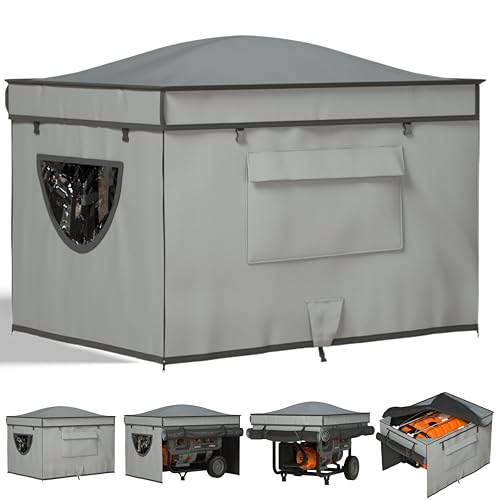
- Unique Design - The generator tent cover has a pointed top design, which will not accumulate water...
- Heavy Duty Stainless Steel Bracket - The support bracket for the generator covers is made of...
- Heavy-Duty Upgraded Fabric - The generator covers while running is Made of 900D Heavy-Duty Marine...
Which generator tent cover won’t let me down when I need to run my generator during a storm?
During a storm, you need a cover that stays put without constant adjustment. The last thing you want is to be outside in the rain fixing a loose flap while your generator runs.
I trust the cover I use for storm season specifically because it has reinforced tie-downs and heat-resistant fabric. It has held up through three heavy storms without a single issue so far.
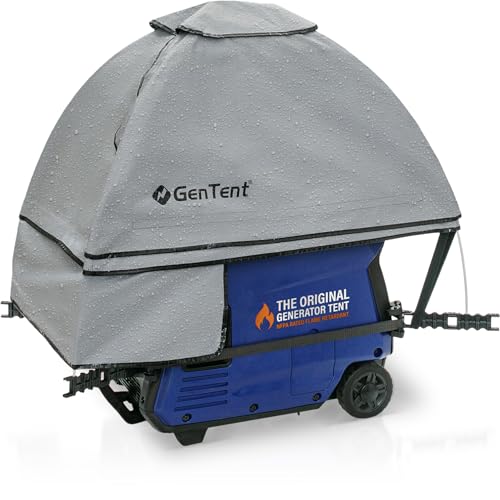
- Designed for Running Inverter Generators in Wet Weather Safely operate your portable inverter...
- Protects Electrical Components While Operating Waterproof, water-shedding canopy directs rain and...
- Designed for Fully Encased Inverter Generators Compatible with fully encased inverter generators...
How often should I replace the straps on my generator tent cover?
I check my straps at the start of each season and replace them if I see fraying or cracks. Sun exposure and wind wear down the material over time.
Most straps last about two years of regular use if you store the cover indoors. If you leave the cover outside year-round, plan to replace the straps every year to stay safe.