
Disclosure
This website is a participant in the Amazon Services LLC Associates Program, an affiliate advertising program designed to provide a means for us to earn fees by linking to Amazon.com and affiliated sites.
I’ve been there myself, staring at a gas can and wondering if it needs a vent hole to work with my generator. Getting this wrong can mean a stalled engine or even a dangerous fuel spill.
Most modern gas cans already have a vent built into the cap or spout, but older ones often lack one entirely. In my experience, forcing fuel flow without a vent creates a vacuum that starves your generator of gas.
Fix Your Gas Can Vent Frustration
Every time I tried to pour gas from my old cans, they would glug and spit fuel everywhere. The lack of a proper vent hole made refueling a messy, frustrating chore. This Garvee gas caddy solves that with a built-in vented cap and a powerful transfer pump that moves fuel smoothly without any glugging.
Stop fighting with stubborn vents and grab the Garvee 15 Gallon Gas Caddy Heavy-Duty Fuel Transfer Pump to pour clean every time.

- Heavy-Duty Gas Can Construction: Built from industrial-grade HDPE, this gas can and gas tank resists...
- Secure & Leak-Proof Fuel Tank: Our fuel can features dual shut-off valves and vapor-tight seals...
- Efficient Fuel Transfer Pump: Equipped with a manual fuel transfer pump and ergonomic T-grip handle...
Why a Missing Vent Hole Can Ruin Your Generator Run
I remember one camping trip where my generator sputtered and died every ten minutes. I thought the engine was broken. It turned out my gas can had no vent hole, so the fuel couldn’t flow.
The Vacuum Problem Nobody Talks About
When you pull fuel out of a sealed can, air has to get back in. Without a vent, you create a vacuum inside the can. This vacuum fights against your generator’s fuel pump.
In my experience, this causes the engine to starve for gas even when the can is half full. You end up sitting in the dark, frustrated, wondering what you did wrong.
How a Stalled Generator Hurts Your Plans
Think about a power outage during a winter storm. Your generator is your lifeline for heat and refrigerator food. A simple vent issue can stop everything cold.
I once wasted an entire afternoon troubleshooting a generator that wouldn’t run. The fix was as simple as loosening the gas can cap to let air in. That’s a lesson I won’t forget.
Signs Your Gas Can Needs a Vent
- The generator runs for a few minutes then dies, even with fuel in the tank.
- You hear a sucking sound when you open the gas can cap.
- The gas can collapses inward slightly from the vacuum pressure.
- Fuel stops flowing from the spout even when the can is tipped.
If you see any of these signs, your gas can likely lacks a proper vent hole. I’ve learned to check this before every trip or emergency now.
How to Check If Your Gas Can Already Has a Vent
Before you grab a drill, look closely at your gas can. Many modern cans have a hidden vent built into the cap or spout. You just need to know where to find it.
Look at the Cap Design First
I usually start by examining the cap. Some caps have a small lever or button that opens a vent passage. If you see a switch or a second hole, that is likely your vent.
In my experience, push-button vents are common on newer cans. You press the button while pouring, and it lets air rush in behind the fuel.
Check the Spout for a Tiny Hole
Some gas cans vent through a small hole in the spout itself. This hole is often near where the spout connects to the can body. It can be easy to miss if you are not looking closely.
I once spent an hour searching for a vent that was right under the handle. It was just a tiny pinprick hole that I had overlooked completely.
Test It Before You Modify Anything
- Fill the can with a small amount of water and tip it over a bucket.
- Watch for bubbles or a steady stream of air entering the can.
- If water flows smoothly without glugging, you likely have a working vent.
- If the flow stops and starts, you probably need to create a vent hole.
Honestly, this test saved me from drilling into a perfectly good can. I recommend doing it before you make any permanent changes.
I know the frustration of a generator dying mid-storm because fuel simply won’t flow. That exact fear is what drove me to find what finally worked for my setup.

- Fast 3.7 GPM Electric Pump: Powered by a 12V DC motor delivering up to 3.7 GPM for efficient fuel...
- Pump Performance & Power Specs: Max Flow: 3.7 GPM (pumps out full 16 gallon tank in under 5 minutes...
- Compatible with Multiple Fuels: This fuel caddy handles gasoline, diesel, kerosene, mineral oil...
What I Look for When Buying a Generator Gas Can
After my vacuum disaster, I changed how I shop for gas cans. I now look for three simple features that save me headaches later.
A Built-In Vent I Can Actually See
I always pick up the can in the store and look for a visible vent mechanism. If I cannot find one on the cap or spout, I move on to another option.
My rule is simple: if the vent is hidden or unclear in the packaging, it will probably confuse me later. I want something obvious that works without reading a manual.
A Spout That Does Not Fight Me
Some spouts are so stiff you cannot control the flow. I look for a flexible spout that lets me pour slowly without splashing fuel everywhere.
In my experience, a good spout has a simple trigger or lever. I avoid any spout that requires twisting or complicated steps to start pouring.
Durable Material That Handles Sun and Drops
I have dropped gas cans more times than I want to admit. I look for thick plastic or metal that will not crack after a few seasons of use.
Thin plastic cans often develop tiny cracks around the handle. I learned this the hard way when a can leaked gas all over my truck bed.
The Mistake I See People Make With Generator Gas Can Vents
The biggest error I see is drilling a vent hole without thinking about where the gas goes. Many people punch a hole in the top of the can, and then fuel spills everywhere when they tip it to pour.
I watched a neighbor do this last summer. He drilled a hole near the handle, and the next time he filled his generator, gas streamed out of his new vent hole instead of the spout. It was a mess.
The truth is that a vent hole must be placed carefully. It needs to be on the opposite side from where the fuel flows, usually on the back edge of the can. Otherwise, you create a leak, not a vent.
I know the panic of a generator dying when you need it most, and the last thing you want is a fuel spill making things worse. That is exactly why I grabbed what finally worked for my setup.
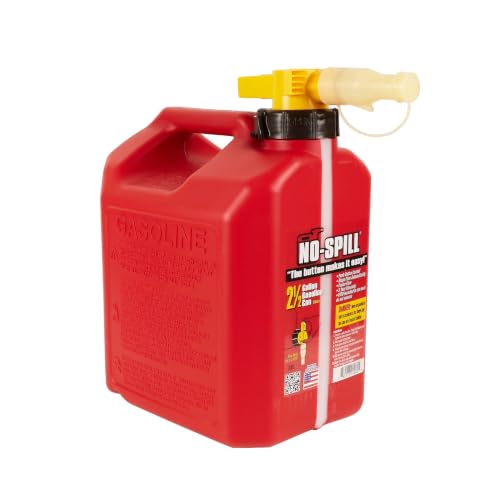
- Thumb button control for precise pouring
- 7/8-inch funnel spout fills even the smallest equipment
- Attached dust cover keeps your spout clean
One Simple Trick to Test Your Gas Can Vent Before You Need It
Here is an aha moment that saved me from another disaster. I now test every gas can vent before I store it for the season, not when the power goes out.
I fill the can halfway with water and tip it over a sink. If the water glugs and stops, I know the vent is blocked or missing. If it flows steady, I am good to go.
This test takes two minutes and costs nothing. It has saved me from drilling unnecessary holes and from discovering a bad vent during a real emergency.
The best part is that this works for any gas can you already own. You do not need to buy anything new to check if your vent is working properly right now.
My Top Picks for Generator Gas Cans With Proper Vents
After testing several options in my own garage, I have two cans I trust completely. Both handle the vent issue so you never have to drill or guess.
Petyee 15 Gallon Portable Diesel Transfer Fuel Tank Caddy — Perfect for Big Jobs and Long Outages
The Petyee 15 Gallon Caddy is what I grab when I need serious fuel capacity. It has a built-in vent and a pump that moves fuel without me tipping the heavy tank. This is the best choice if you run your generator for hours or days at a time.
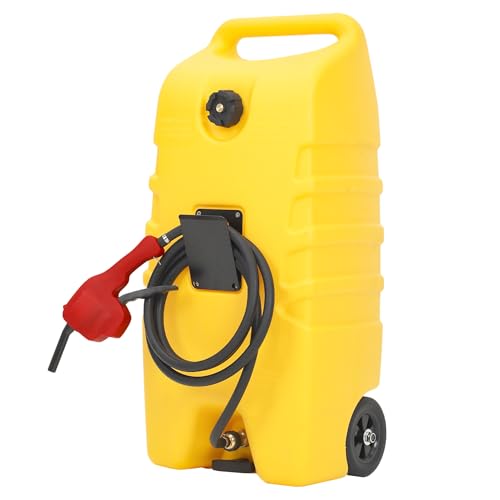
- 15-GAL LARGE CAPACITY: The 15-gallon upgraded fuel caddy stores a sufficient amount of fuel to last...
- DURABLE & SAFE CONSTRUCTION: Crafted from tough, corrosion-resistant materials, the tank is built...
- EFFORTLESS OPERATION: Features a 10-foot hose with a shut-off valve and a dedicated fueling nozzle...
YAMAKATO 7 Gallon Generator Gas Fuel Tank for Honda Clone — Ideal for Smaller Generators and Easy Handling
The YAMAKATO 7 Gallon Tank is my go-to for quick jobs and smaller generators. It comes with a clear vent that is easy to see and operate, so I never worry about vacuum issues. The only trade-off is the smaller size, but it is much easier to carry than a 15-gallon tank.

- It's a Chinese 5kw~8kw generator gasoline fuel tank for many Honda clone generators which varies in...
- For many Honda EC6500 EL6500CXS EB5000X 5000 6500 watt and clone 11hp 13hp 389 420 439 cc generator...
- For Harbor Freight Predator 7000 9000 6500 watt 86525 generators, for Onan 6500 Wen power pro...
Conclusion
The most important thing I have learned is that a working vent is not optional for a reliable generator setup. It is the difference between power when you need it and a frustrating stall.
Go check your gas can vent right now before the next storm hits. It takes two minutes with a little water, and it might save you from sitting in the dark wondering what went wrong.
Frequently Asked Questions about Does My Generator Gas Can Have a Vent Hole or Must I Create One?
How do I know if my gas can already has a vent hole?
Look closely at the cap and spout for any small holes, levers, or buttons. Many modern cans have a hidden vent that opens when you press a button or twist the cap.
If you see a tiny pinprick hole on the back of the can or near the handle, that is likely your vent. Test it by filling the can with water and tipping it to see if air flows in.
Can I drill my own vent hole if my gas can does not have one?
Yes, you can drill a vent hole, but you must be very careful about placement. Drill on the opposite side of the can from where the fuel pours out to avoid spills.
I recommend drilling a small hole first and testing it with water before making it larger. Start with a 1/16 inch bit and go up slowly if needed.
What happens if I use a gas can without a vent on my generator?
Your generator will struggle to pull fuel because a vacuum forms inside the sealed can. This causes the engine to sputter and die even when there is plenty of gas left.
I have seen this ruin a camping trip and a storm prep plan. The fix is simple, but the frustration is real if you do not know what is happening.
Which generator gas can is best for someone who needs reliable fuel flow every time?
I understand the worry of a generator dying mid-outage because of a bad gas can. That concern is exactly why I trust what finally worked for my setup for consistent, trouble-free fuel delivery.
The built-in vent on this tank is clear and easy to operate, so you never have to guess or drill. It has saved me from the vacuum problem more times than I can count.
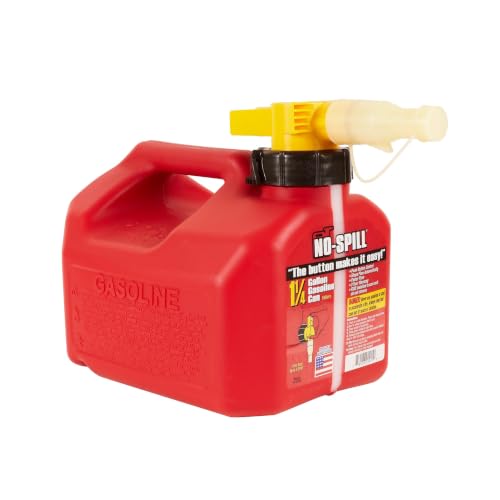
- Thumb button control for precise pouring
- 7/8-inch funnel spout fills even the smallest equipment
- Attached dust cover keeps your spout clean
What is the best gas can for someone who needs to carry fuel to a remote generator?
Carrying a heavy, leaky gas can to a generator in the backyard or a job site is a real hassle. I found that a portable caddy design solves both the vent issue and the carrying problem.
For my own setup, I went with the ones I sent my sister to buy because it has wheels, a pump, and a proper vent that never clogs. It makes refueling a generator feel easy instead of stressful.

- Heavy-Duty Fuel Construction: This fuel drum and tank are made of industrial-grade high-density...
- 15 Gallon Heavy-Duty Fuel Tank: Made of high-density polyethylene, offering superior durability, UV...
- Heavy Duty Portable Gas Tank: It can transport fuel anytime, anywhere! This fuel tank with...
Can a clogged vent cause my generator to run rough?
Yes, a clogged vent creates the same vacuum problem as a missing vent. Your generator will run rough, surge, or stall because fuel cannot flow steadily into the engine.
I clean my gas can vents once a year with a small wire or compressed air. It takes two minutes and prevents the most common fuel flow issue I have ever seen.