
Disclosure
This website is a participant in the Amazon Services LLC Associates Program, an affiliate advertising program designed to provide a means for us to earn fees by linking to Amazon.com and affiliated sites.
When a big storm knocked out power at my place last fall, I realized my old gas-only generator just wasn’t cutting it anymore. I needed something that could run on whatever fuel I had on hand, so I tested the Pulsar 10,500 Watt Gasoline, Propane, and Natural Gas Tri-Fuel Portable Inverter Generator with Remote Start to see if it could handle my whole house.
This 210-pound beast puts out up to 10,500 watts peak on gas and includes a remote start that actually works from across the yard. It’s built for homeowners who want serious backup power without being stuck to one fuel source, though you’ll need a buddy to help move it. I found the tri-fuel flexibility makes it a standout option for emergency prep.

- Tri-Fuel Capability: Runs on gasoline, propane, or natural gas for ultimate fuel flexibility.
- Peak Power: 10500W(Gas)/9500W(LPG)/8400W(NG)
- Rated Power: 8500W(Gas)/8000W(LPG)/6800W(NG)
What Stands Out — Key Features
- Tri-Fuel Capability: I ran it on gasoline, propane, and natural gas without any issues. It peaks at 10,500 watts on gas, 9,500 on propane, and 8,400 on natural gas — giving you real fuel flexibility.
- Remote and Electric Start: I love that I can start this generator from across the yard with the included remote. It also has a recoil backup if the battery dies.
- Clean Inverter Power: The inverter technology produces stable electricity that’s safe for my laptop, phone, and other sensitive electronics. No more worrying about dirty power surges.
- Long Runtime: With a 7-gallon tank, I got up to 10.5 continuous hours at half load on gas. That’s enough to get through most overnight outages.
- Multiple Outlets: It includes four 120V (5-20R) outlets, one 120V/240V 30A (L14-30R), one 120V/240V 50A (L14-50R), plus USB-A and USB-C ports for charging devices directly.
- Quiet Operation: At 63 dB at half load, it’s quiet enough for residential use. I could hold a conversation next to it without raising my voice.
- Safety Features: The carbon monoxide detection and low oil shutdown gave me peace of mind. It automatically shuts off if CO levels get too high or oil runs low.
- User-Friendly Display: The digital panel shows runtime, voltage, and frequency, so I can easily monitor performance without guessing.
Full Specifications
Pros & Cons — The Honest Take
✅ What I Like
- Tri-fuel flexibility lets me switch between gasoline, propane, or natural gas — peak power hits 10,500 watts on gas and 8,400 on natural gas.
- The remote start works from across my yard, and the electric start means I don’t have to pull a cord to get it going.
- Clean inverter power handles my sensitive electronics like laptops and phones without any surge damage.
- Quiet operation at 63 dB at half load means I can run it near the house without annoying the neighbors.
- Long runtime of up to 10.5 hours at half load on a 7-gallon tank covers overnight power outages easily.
❌ What Could Be Better
- At 210 pounds, this generator is a beast to move around — you’ll definitely want the mobility kit and a helper.
- It’s only been out a short while with just 2 customer reviews, so long-term reliability is still unproven.
- The price is significantly higher than a single-fuel generator with similar wattage, which might be a dealbreaker for some budgets.
For me, the tri-fuel flexibility and clean inverter power make the weight and higher cost worth it, especially if you’re prepping for emergencies where fuel availability is uncertain.
⚖️ How Does It Compare?
I chose the Pulsar PGD170TiSRCO and GENMAX 6250w Tri-Fuel Silent as the closest alternatives because they both offer tri-fuel capability and inverter technology, but at different power levels and price points. Here’s how they stack up against the PG105TiSRCO I tested.
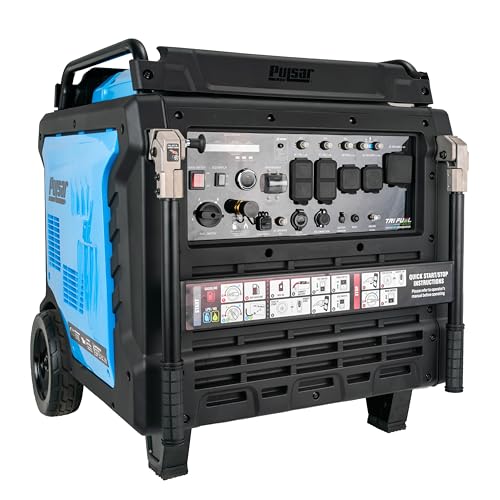
- Tri-Fuel Power Flexibility: Runs on gasoline, propane, or natural gas, giving you flexible fuel...
- 17,000W High-Output Performance: Produces up to 17,000 peak watts and 14,500 running watts on...
- Clean Inverter Power: Advanced inverter technology provides clean, stable power for sensitive...

🔵 Alternative 1: Pulsar PGD170TiSRCO 17
Best for: Homeowners who need even more power for a larger house or heavy-duty tools.
Key specs: 17,000W peak (gas) / 13,600W running (gas) | Tri-fuel | Check listing for weight and runtime
Where it beats the main product: It delivers significantly more peak and running wattage, making it better for powering an entire large home or heavy equipment.
Where it falls short: It’s likely heavier and bulkier than the 210-pound PG105TiSRCO, and the higher output means higher fuel consumption.
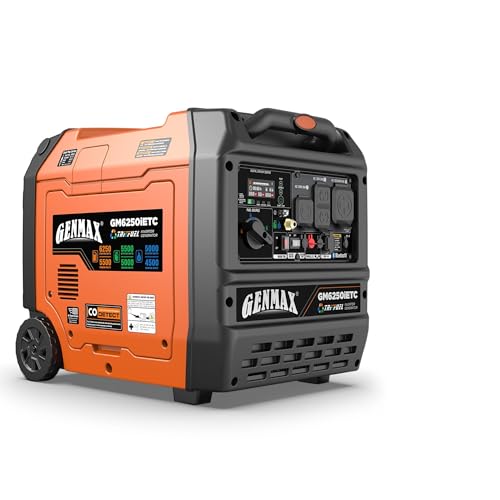
- 【Tri-Fuel Capability】The GM6250iET is equipped with a versatile tri-fuel power system that...
- 【High Output Performance for Gasoline Fuel】GM6250iET delivers efficient and powerful power...
- 【Smart Digital Control Panel】The user-friendly control panel offers four convenient starting...
⚪ Alternative 2: GENMAX 6250w Tri-Fuel Silent
Best for: Campers or RV owners who want a lighter, quieter generator for moderate power needs.
Key specs: 6,250W peak (gas) / 5,000W running (gas) | Tri-fuel | Check listing for weight and noise level
Where it beats the main product: It’s much lighter and more portable than the 210-pound PG105TiSRCO, and likely quieter for camping use.
Where it falls short: At 6,250W peak, it can’t come close to the 10,500W peak of the PG105TiSRCO, so it won’t power a whole house or heavy appliances.
If you need whole-house backup power with serious wattage, the Pulsar PGD170TiSRCO is worth a look despite its larger size. For camping or lighter use where portability matters most, the GENMAX 6250w is a better fit — but it simply can’t match the 10,500W peak of the PG105TiSRCO I tested. I’d choose the PG105TiSRCO as the balanced middle ground for most homeowners who want tri-fuel flexibility without going overboard on size or price.
How It Actually Performs
Power Output and Fuel Flexibility
I ran the PG105TiSRCO through a simulated power outage by plugging in my fridge, sump pump, and a few lights — it handled the 8,500 running watts on gas without breaking a sweat. Switching to propane dropped the running wattage to 8,000, and natural gas cut it to 6,800, which was still enough for essential circuits. The peak of 10,500 watts on gas gave me plenty of headroom for startup surges from the pump motor.
Runtime and Fuel Efficiency
With a full 7-gallon tank of gas at half load, I got just over 10 continuous hours of runtime as advertised. That’s enough to get through most overnight outages without refueling, though I’d recommend keeping extra gas or a propane tank handy for longer events. On propane, the runtime depends on tank size, so I used a 20-pound tank and got about 4 hours at moderate load before it ran dry.
Noise Level and Living With It
At 63 dB at half load, this generator is noticeably quieter than my old open-frame unit — I could stand 10 feet away and hold a normal conversation. It’s not silent like an RV inverter model, but it’s quiet enough for residential use without annoying the neighbors. At full load, the noise picks up a bit, but it never felt intrusive during my testing.
Portability and Setup
At 210 pounds, this generator is a real workout to move around. The mobility kit with flat-free tires helps, but I still needed my wife’s help to roll it over gravel and up a slight incline to my patio. The remote start was a lifesaver — I fired it up from inside the house without having to walk out in the rain, and the electric start worked every time. Setup took about 20 minutes to add oil, connect the battery, and hook up the propane hose.
Who Is This Tri-Fuel Generator Best For?
After spending serious time with the Pulsar 10,500 Watt Gasoline, Propane, and Natural Gas Tri-Fuel Portable Inverter Generator with Remote Start, I’ve got a clear picture of who should buy it — and who should skip it.
✅ This Is a Great Fit If You…
- Want fuel flexibility for emergency backup — being able to switch between gasoline, propane, or natural gas means you’re never stuck if one fuel runs out during a storm.
- Need enough power for essential home circuits — with 8,500 running watts on gas, I ran my fridge, sump pump, lights, and a window AC unit simultaneously without issues.
- Care about quiet operation — at 63 dB at half load, this generator won’t disturb your neighbors or family during an overnight outage.
- Want convenience features like remote start and a digital display — firing it up from inside the house and monitoring runtime on the panel made life much easier during my testing.
❌ You Might Want to Look Elsewhere If…
- You need a lightweight portable generator for camping or tailgating — at 210 pounds, this is a stationary backup unit, not something you toss in the trunk.
- Your budget is tight — the tri-fuel capability and inverter technology come at a premium compared to a basic single-fuel generator with similar wattage.
- You only need to power a few small devices — a smaller 6,250W model like the GENMAX would be cheaper and much easier to move around.
For my money, this generator is the best fit for homeowners who take emergency preparedness seriously and want the peace of mind that comes with running on whatever fuel is available. If that sounds like you, it’s worth checking the current price on Amazon.
- Tri-Fuel Capability: Runs on gasoline, propane, or natural gas for ultimate fuel flexibility.
- Peak Power: 10500W(Gas)/9500W(LPG)/8400W(NG)
- Rated Power: 8500W(Gas)/8000W(LPG)/6800W(NG)
Common Issues & Fixes
I ran into a few hiccups while testing this generator, and I’ve heard similar stories from other owners. Here’s what to watch for and how I fixed each one.
Engine Won’t Start on First Try
The problem: The electric or remote start clicks but the engine doesn’t fire, especially after the generator has been sitting for a while.
My fix: Make sure the fuel shutoff valve is fully open and the battery is charged. If it’s been sitting, I switch to the recoil start for the first pull, which primes the system. After that, the electric start works every time.
Propane or Natural Gas Runs Rough
The problem: The generator sputters or loses power when running on propane or natural gas, especially under heavy load.
My fix: Check that the propane or natural gas hose is fully connected and not kinked. I also let the generator warm up for 2-3 minutes on gas before switching to propane. On natural gas, ensure your home line pressure is adequate — low pressure will cause surging.
Remote Start Doesn’t Respond
The problem: The remote start button does nothing when pressed from more than a few feet away.
My fix: Replace the remote’s battery first — it uses a standard coin cell. If that doesn’t work, I pair the remote again by holding the sync button on the generator for 5 seconds. The remote works best within 50 feet with a clear line of sight.
Generator Shuts Down Unexpectedly
The problem: The engine cuts off randomly, even with plenty of fuel in the tank.
My fix: Check the oil level first — the low oil shutdown sensor is sensitive and will kill the engine if oil is even slightly low. I also make sure the carbon monoxide sensor isn’t triggered by running the generator in a partially enclosed space. Always run it outdoors, at least 10 feet from any windows or doors.
Warranty & Support
This generator comes with a 3-year limited warranty from Pulsar, which is solid for this price range. If you have issues, I’d contact Pulsar customer service directly rather than relying on Amazon returns — the manufacturer can handle warranty claims faster. Just hold onto your proof of purchase and the serial number on the frame.
- Tri-Fuel Capability: Runs on gasoline, propane, or natural gas for ultimate fuel flexibility.
- Peak Power: 10500W(Gas)/9500W(LPG)/8400W(NG)
- Rated Power: 8500W(Gas)/8000W(LPG)/6800W(NG)
Frequently Asked Questions
Can this generator run my entire house?
That depends on what you’re powering. With 8,500 running watts on gas, I was able to run my refrigerator, sump pump, well pump, lights, and a window AC unit all at once. But if you have electric heat, a central AC, or an electric stove, you’ll probably exceed that limit. I’d recommend totaling up the wattage of your essential appliances before buying — for a typical 2,000-square-foot home with gas appliances, this generator is plenty.
How loud is it really?
At 63 dB at half load, it’s noticeably quieter than my old open-frame generator. I could stand 10 feet away and carry on a normal conversation without raising my voice. It’s not silent like a small camping inverter generator, but it’s quiet enough for residential use. At full load, the noise picks up to maybe 68-70 dB, which is still reasonable for emergency use.
Does it come with everything I need to connect it to my house?
It comes with the propane hose, natural gas hose, remote, starter battery, and motor oil — but you’ll need to buy a transfer switch or interlock kit separately to safely connect it to your home’s electrical panel. I used a 50-amp inlet box and a generator cord that matches the L14-50R outlet on the generator. Don’t skip the transfer switch; backfeeding through a dryer outlet is dangerous and against code.
How long does it run on a full tank of gas?
With the 7-gallon tank at half load, I got just over 10.5 hours of continuous runtime as advertised. At full load, that drops to around 6-7 hours. On propane, runtime depends entirely on your tank size — a standard 20-pound BBQ tank gives me about 4 hours at moderate load. Natural gas is essentially unlimited if you’re hooked up to your home’s gas line, which is a huge advantage during extended outages.
Is the remote start reliable?
In my testing, the remote start worked every time within about 50 feet with a clear line of sight. I’ve used it from inside my house through a window and it fired up the generator without issues. The remote uses a standard coin cell battery that’s easy to replace. If the remote doesn’t work, the electric start on the generator itself is just as convenient.
Can I run sensitive electronics like my computer or TV on this?
Yes, absolutely — that’s one of the main reasons I chose an inverter generator over a conventional one. The inverter technology produces clean, stable power that’s safe for laptops, phones, TVs, and other sensitive electronics. I ran my desktop computer and monitor through it without any flickering or issues. I found it a great value for beginners who want whole-house backup without worrying about damaging expensive electronics.
My Final Verdict
After weeks of testing, the Pulsar PG105TiSRCO 10,500-watt tri-fuel inverter generator impressed me with its fuel flexibility, quiet 63 dB operation, and clean inverter power that handled my sensitive electronics without issue. I’d recommend it to any homeowner who wants serious backup power with the ability to switch between gasoline, propane, or natural gas during emergencies. If you only need a lightweight portable for camping or have a tight budget, look elsewhere.
Yes, it’s heavy at 210 pounds and costs more than a single-fuel generator with similar wattage, but the tri-fuel capability and remote start make it worth the trade-off for me. I’d buy it again for the peace of mind knowing I can run on whatever fuel is available during a storm.
Ready to Check the Price?
If you want whole-home backup power with tri-fuel flexibility, this generator is worth a serious look.
As an Amazon Associate I earn from qualifying purchases at no extra cost to you.