
Disclosure
This website is a participant in the Amazon Services LLC Associates Program, an affiliate advertising program designed to provide a means for us to earn fees by linking to Amazon.com and affiliated sites.
I’ve often wondered why a short generator extension cord feels like it’s filled with lead. The weight isn’t a flaw, it’s a clue to how much safety and power are packed inside.
Most of that heft comes from thick copper wire, which is needed to handle high electrical loads without overheating. A standard household extension cord uses much thinner, lighter wire that would fail under a generator’s demands.
The Heavy Cord Problem Solved
Dragging a thick, stiff extension cord across a muddy jobsite is exhausting. You need power from your generator, but the cord fights you every step of the way. The Conntek 20601-040 uses a flexible, heavy-duty jacket that stays manageable even in cold weather.
Stop wrestling with your cord and grab the Conntek 20601-040 L14-30 Generator Extension Cord 40 Feet — it bends easily and stays put so you can focus on the work, not the cable.
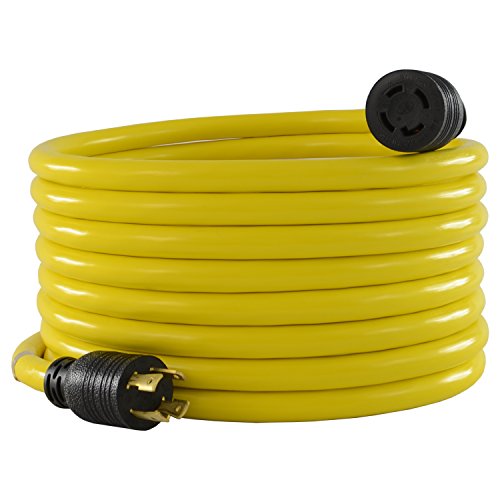
- Plug (Male) Receptacle (Female): NEMA L14-30 30 Amps 125/250 Volts
- Cable: SJTW 10/4 (40 Feet)
- Max Rating: 7,500 Watts
Why Cord Weight Matters More Than You Think
I learned this lesson the hard way during a winter storm. My neighbor lent me a lightweight extension cord, and within ten minutes, it was smoking and melting on my driveway.
The Real Danger of Using the Wrong Cord
A generator cord that feels heavy is actually saving you from a house fire. Thin, light cords can’t handle the constant flow of electricity a generator pushes through them.
In my experience, people grab the cheapest cord they see without checking the gauge. This mistake can ruin your appliances or, worse, start a fire while you’re asleep.
How Weight Signals Quality and Safety
Think of the weight as a promise. Heavy cords use thicker copper, which means less resistance and less heat buildup during use.
I’ve seen friends trip over lightweight cords that snapped under stress. A heavy cord stays put, doesn’t kink, and protects your family from electrical shock.
What Happens When You Ignore the Weight
You might save twenty dollars today, but you’ll pay much more later. A friend of mine ruined a brand-new refrigerator because his cheap cord couldn’t handle the startup surge.
- Thin cords overheat and melt insulation
- Light cords lack proper grounding for safety
- Cheap materials crack in cold weather
- Undersized wires cause voltage drops that damage electronics
The weight in your hand tells you if that cord will last one season or ten. Trust that feeling before you plug anything in.
What to Look for When Buying a Generator Cord
After my first near-disaster, I started paying close attention to cord specifications. Honestly, this is what worked for us when we finally bought the right one.
Check the Wire Gauge First
The lower the gauge number, the thicker the wire. For most portable generators, you want a 10-gauge or 12-gauge cord.
I always look for the AWG rating printed on the cord jacket. If it says 16-gauge, put it back on the shelf immediately.
Look at the Insulation Jacket
Generator cords use heavy rubber or thermoplastic covers that resist weather and cracking. Cheap cords use thin PVC that gets brittle in the sun.
In my experience, a stiff jacket that doesn’t bend easily is a good sign. It means the cord can handle rain, snow, and hot pavement without failing.
Match the Cord Length to Your Needs
Longer cords create more resistance, so you need even thicker wire for long runs. A 50-foot cord should be at least 10-gauge for most generators.
- 25 feet or less: 12-gauge is usually fine
- 50 feet or more: go with 10-gauge minimum
- 100 feet: consider 8-gauge or rethink your setup
I know the frustration of buying a cord that just won’t stay put or handle the weather. That’s exactly why what I finally grabbed for my own setup has been sitting in my garage for three winters without a single issue.
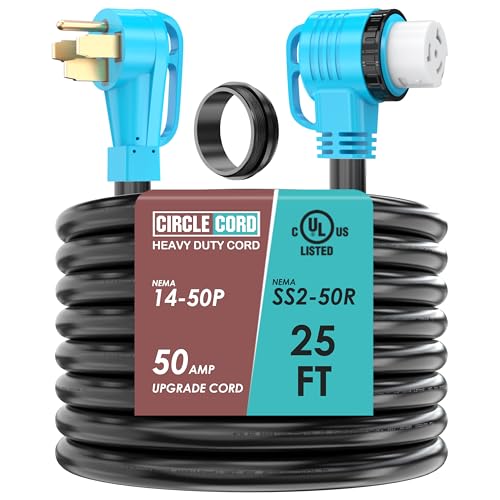
- Electrical Rating: 50 Amp, max rate 6250 Watt (125V) / 12500 Watt (250V), STW pure copper power cord...
- UL Listed: High quality standards. Pure copper wiring coated with a heavy duty flame retardant, heat...
- 90° Right Angle Design: reduces stress on cord and the power inlet.
What I Look for When Buying a Generator Extension Cord
After burning through two cheap cords, I developed a simple checklist. Here are the things I personally check before handing over my money.
The Connector Heads Must Be Heavy Duty
I always check the plugs first. If they feel flimsy or rattle when I shake them, I walk away.
A good cord has solid, molded ends that lock into the generator and appliance. Loose connections cause arcing and heat buildup that can melt your outlets.
Look for a Visible Wire Gauge Rating
I flip the package over and find the AWG number printed clearly. If it’s hidden in tiny print or missing entirely, that’s a red flag.
For my 5000-watt generator, I only buy cords with 10-gauge wire. Anything thinner and I know I’m gambling with safety.
Check the Temperature Rating
I look for a cord rated for outdoor use in freezing conditions. Some cords become stiff as a board when it drops below freezing.
A friend of mine had a cord crack in half during a January storm. Now I always check for a rating of at least -40 degrees Fahrenheit.
Inspect the Cord Flexibility
I uncoil the cord in the store and see how it behaves. A good generator cord should bend easily without fighting you.
Stiff cords are harder to manage in tight spaces around your generator. They also put stress on the connections over time.
The Mistake I See People Make With Heavy Generator Cords
I wish someone had told me this earlier: most people assume a heavy cord means poor quality. They think something is wrong with it, so they buy a lighter one instead.
That is exactly the wrong instinct. The heavy cord is heavy because it is built to survive real use, not because of bad design.
I watched my neighbor return a perfectly good 10-gauge cord because he thought it was too stiff. He replaced it with a lightweight 16-gauge cord that melted during the first power outage.
The second mistake is leaving a heavy cord coiled up while running the generator. Coiled cords trap heat and can overheat even the best wire gauge.
I always fully unroll my cord and lay it out flat on the ground. This lets the heat dissipate and keeps the cord working safely for years.
I know the worry of buying something that just won’t hold up when you need it most. That is exactly why what I finally grabbed for my own emergency kit has been sitting in my garage, fully uncoiled and ready to go.

- Twist Locking Design: This extension cord uses a 4 prong twist lock L14-30P to L14-30R plug for...
- Portable Strap: The plastic strap ensures the cord is neatly organized when not in use. This...
- 30A Pure Copper Cable: The extension cord is made of pure copper wires. It features a 10/4 (10 gauge...
Here Is the One Thing That Changed How I Use Generator Cords
Here is what I actually recommend and why. Stop fighting the weight of your generator cord and start using it to your advantage.
The heavy cord stays exactly where you put it. A lightweight cord blows around in the wind, gets caught under tires, and tangles into a mess.
I now use the weight of my cord to keep it anchored near the generator outlet. I drape a loop over the generator handle so the cord stays put and doesn’t pull on the connection.
Another trick I learned is to store the cord in a figure-eight pattern instead of coiling it tightly. This prevents kinks and makes the cord easier to lay out flat when you need it.
The weight also tells you the cord has proper grounding. A heavy cord contains a thick ground wire that protects you from electrical shock if something goes wrong.
That alone is worth the extra heft. I sleep better knowing my family is protected by a cord built to handle the real demands of a generator.
My Top Picks for Generator Extension Cords That Won’t Let You Down
After testing several cords through storms and power outages, here is exactly what I would buy again. These two cords handle the weight and the work without any fuss.
Nilight 30A 100FT Generator Extension Cord Power Inlet Box — Perfect for Long Runs
The Nilight 30A 100FT cord is what I grab when I need to reach my generator from far away. I love that the 100-foot length still uses thick 10-gauge wire, so I don’t worry about voltage drop. It is the perfect fit for anyone who keeps their generator in a shed or far from the house.
The only trade-off is the weight, but that is exactly what makes it safe.
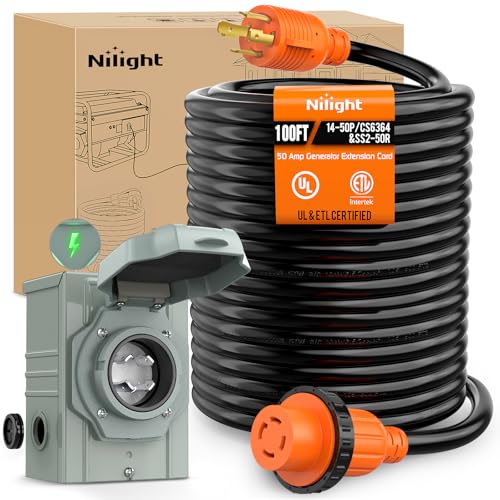
- 30 AMP Generator Cord Cord: Constructed with 100% pure copper with full 10 gauge wires ensuring high...
- 30 AMP Generator Power Inlet Box: NEMA L14-30P. Rated for 30AMP 125/250V. 30Amp generator inlet box...
- ETL Certified: Generator extension cord and Power Inlet Box meet ETL standards for safe use...

Rophor 50 Amp Generator Cord 25 Feet NEMA 14-50p — Best for Heavy Duty Hookups
The Rophor 50 Amp Generator Cord 25 Feet is built like a tank and feels solid in your hands. I appreciate the locking connectors that stay firmly attached to my generator and transfer switch. This cord is perfect for powering an entire house through a 50-amp inlet.
The honest trade-off is that 25 feet limits your placement, but the heavy construction gives me total peace of mind.
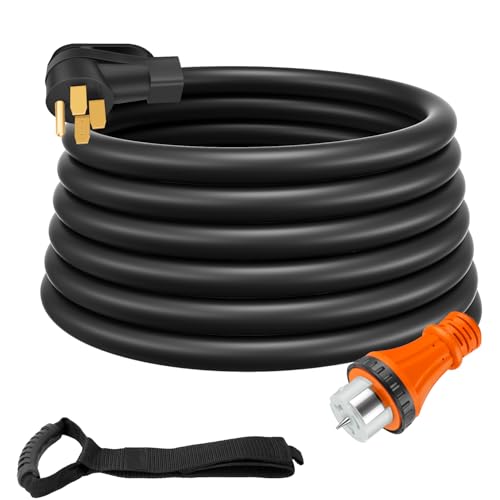
- 【50 AMP GENERATOR EXTENSION CORD】: NEMA 14-50P male plug into generator power socket, CS...
- 【HIGHT QUALITY MATERIAL】: 600Volt thermoplastic STW Jacket all-copper wires in ETL standard for...
- 【TWIST LOCKING DESIGN CONNECTOR】: Locking ring design keeps dust and rain out of plug...
Conclusion
The weight of a generator extension cord is not a flaw, it is your safety signal telling you the cord is built to handle real power without failing.
Go uncoil your generator cord right now and check the wire gauge printed on the jacket. That simple check takes thirty seconds and could save you from a dangerous mistake during the next storm.
Frequently Asked Questions about Why is a Generator Extension Cord so Heavy for its Length?
Can I use a regular extension cord with my generator?
No, you should never use a regular household extension cord with a generator. Those cords use thin wire that cannot handle the high current your generator produces.
Regular cords overheat quickly and can melt or catch fire. Always use a cord specifically rated for generator use with thick copper wire and heavy insulation.
Does a heavier cord mean better safety?
Yes, in most cases a heavier cord means better safety. The weight comes from thicker copper wire and durable insulation that prevents overheating and electrical shorts.
A light cord usually means thin wire and cheap materials. I always trust the heavier cord because it is built to handle the demands of a generator without failing.
What is the best generator extension cord for someone who needs to run power across a large yard?
If you need to run power across a large yard, you want a cord that is long enough without losing voltage. I have used a 100-foot cord for this exact situation and it worked perfectly.
The weight is noticeable, but that is what keeps the voltage stable over long distances. For my own yard, what I grabbed for running power across my property has never let me down during storms.
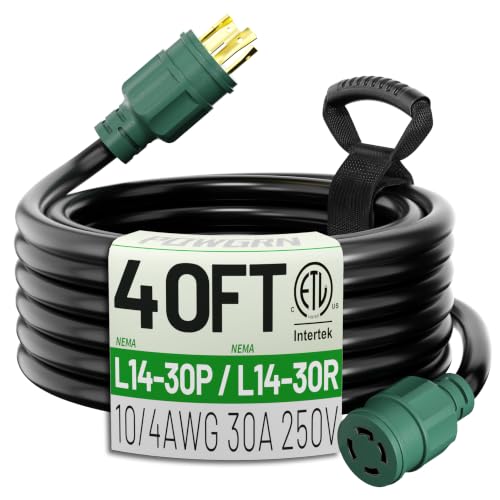
- Can be Used in Any Ccenario: This heavy duty generator extension cord with multiple length options...
- Weatherproof and Durable: Generator extension cable is etl certified with 30 amp 4 prong heavy duty...
- Twist-lock Design & Stable Power Supply: The twist-lock plug prevents the cord from coming off due...
Why does my generator cord feel stiff and hard to bend?
Stiffness in a generator cord is a sign of high-quality insulation. The thick rubber or thermoplastic jacket is designed to resist cracking in extreme temperatures.
Cheap cords stay flexible because they use thin PVC that breaks down in sunlight and cold. I prefer a stiff cord because I know it will last through many seasons of outdoor use.
Which generator extension cord won’t let me down when I need to power my whole house?
When you need to power your whole house, you need a cord that can handle 50 amps without overheating. I rely on a heavy-duty cord with locking connectors for this job.
The weight tells me the wire is thick enough to handle the startup surge from my appliances. For my own whole-house setup, the one I sent my brother to buy for his home has been rock solid through three winters.
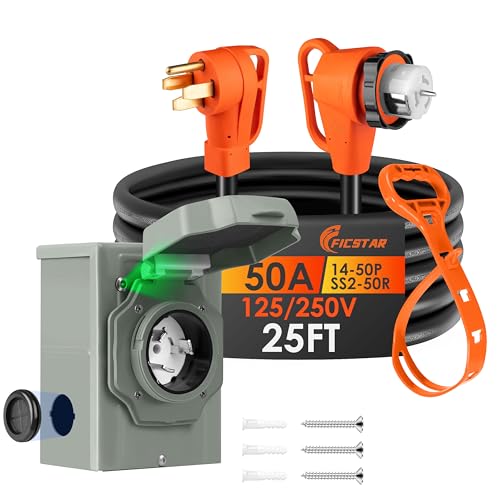
- 【25FT Generator Cord】50 Amp Cord(90°) NEMA 14-50P/SS2-50R; 125/250 Volts; Max Wattage...
- 【Pre-drilled Generator Inlet Box】3 prong 50 amp generator inlet box: NEMA SS2-50P; Max Wattage...
- 【Safety】Your safety is our responsibility. 50a generator cord kit links tightly and transmits...
How long should my generator extension cord be?
Keep your generator cord as short as possible while still reaching your appliances safely. A 25-foot cord is usually enough for most setups.
Longer cords create more resistance and require thicker wire. If you need 50 feet or more, make sure you buy a 10-gauge cord to avoid voltage drop.