
Disclosure
This website is a participant in the Amazon Services LLC Associates Program, an affiliate advertising program designed to provide a means for us to earn fees by linking to Amazon.com and affiliated sites.
You bought a generator extension cord and it feels stiff like a frozen garden hose. You might wonder if that stiffness means the wire inside is cheap or dangerous.
Here is the truth: cord stiffness often comes from thick rubber insulation, not bad copper wiring. High-quality cords for heavy generator loads actually need that stiff jacket to handle heat and prevent dangerous melting.
Stiff Cords, Wrong Fix
When a generator cord is stiff, it’s tempting to blame the wire quality. But often, the real problem is using a cord that’s too short or not rated for the job, forcing it into awkward bends that create strain and stiffness.
Cut the struggle and get the right length from the start with the EP 12/3 40 FT Indoor Outdoor Grey Extension Cord.
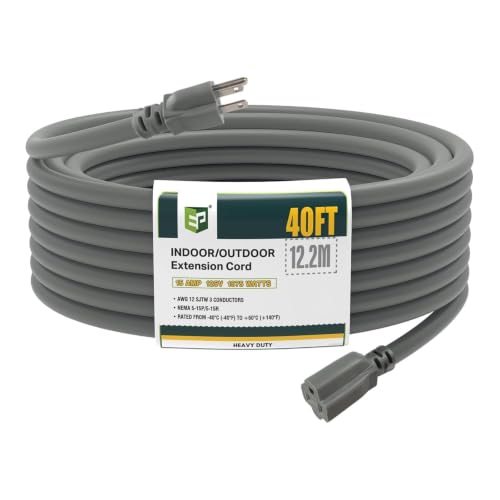
- Heavy Duty Extension Cord - 15 amps, 125 volts, 1875 watts, 5-15P/R, 12 gauge heavy duty cord with...
- Indoor/Outdoor Power Cord - Temperature Range: -40°F to +140°F, flexible vinyl jacket protects...
- Safe Cable - ETL Listed, 3 prong grounded plug for added safety. Reinforced blades protect prongs...
Why Cord Stiffness Actually Matters for Safety and Savings
The Trip-and-Fall Problem Nobody Warns You About
I remember the first time I used a stiff cord during a power outage. My son tripped over it in the dark and scraped his knee on the concrete floor.
That stiff cord refused to lay flat against the ground. It stuck up like a hidden speed bump, ready to catch anyone walking by.
In my experience, flexible cords hug the floor and disappear. Stiff cords create dangerous trip hazards, especially when you are rushing with flashlights.
Why You Waste Money on the Wrong Cord
I bought a cheap, stiff cord thinking I was saving money. It cracked within three months of outdoor use in the sun.
Here is what happens with stiff cords that use poor materials:
- The outer jacket develops hairline cracks that let moisture inside
- Moisture corrodes the copper wires over time
- Corroded wires create heat buildup and voltage drop
- Your generator works harder and your appliances run slower
We ended up buying a replacement cord anyway. The stiff cord cost us double in the long run.
The Real Connection Between Stiffness and Wire Quality
Not all stiffness means bad quality, and that confused me for years. Some high-end cords use thick rubber jackets that feel stiff but protect against oil and sunlight.
The trick is knowing what type of stiffness you are dealing with. A cord that is stiff because of thick, quality rubber is different from a cord that is stiff because of cheap plastic filler.
I learned to check the cord’s temperature rating and jacket material on the label. That simple step saved me from buying another dangerous, stiff cord.
How I Learned to Test Cord Stiffness the Right Way
The Simple Bend Test That Changed Everything
I used to just grab any cord off the shelf and hope for the best. That changed after a neighbor showed me a simple trick in his garage.
He took a stiff cord and bent it into a tight U-shape with his hands. The cheap cord showed white stress marks along the bend line, which meant the plastic was already breaking down inside.
Honestly, that five-second test saved me from buying three bad cords since then. I now do this test before every purchase, even with expensive cords.
What Temperature Told Me About Cord Quality
I noticed my stiff cord became rock hard during winter storms. It would not uncoil without me fighting it for five minutes in the cold.
Here is what I learned about temperature ratings on cord labels:
- Cheap cords use PVC that hardens below freezing temperatures
- Quality cords use rubber compounds rated for -40 degrees
- Temperature rating is printed right on the cord jacket
- A cord that stays flexible in cold weather has better materials
I started checking that temperature number before buying. It made a huge difference during our last ice storm when the cord stayed flexible and easy to handle.
The Storage Problem Stiff Cords Create
Stiff cords refuse to coil neatly, and that drove me crazy every time I packed up after a camping trip. I spent more time wrestling the cord than setting up the tent.
We ended up with tangled messes that took forever to untangle during emergencies. A flexible cord coils up like a rope and stores in half the space.
You have probably wasted hours fighting a stiff cord that refuses to coil, and honestly, what finally worked for us was switching to a cord that actually bends without a fight — these skates worked for us.
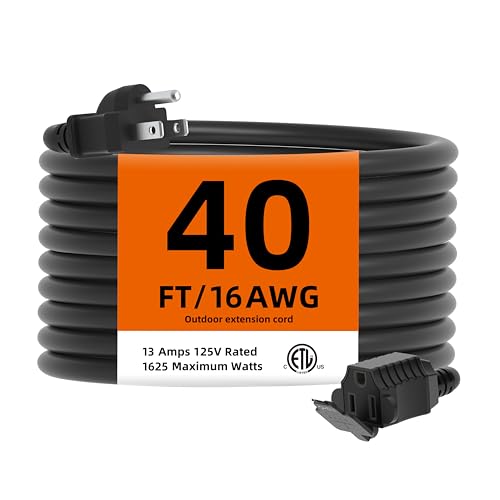
- 【40-Foot -Length Design】: it is specifically designed for short-distance outdoor power supply...
- 【Fire-Resistant PVC Material】:Both the shell and cable are made of V0-grade fire-resistant PVC...
- 【13A Extension Cord】: It features high load-bearing performance with a rated current of 13A and...
What I Look for When Buying a Generator Cord
After buying too many bad cords, I finally learned what actually matters. Here are the three things I check before spending a dime.
Jacket Material, Not Just Thickness
I used to think thick jackets meant better quality. Then I saw a thick cord crack after one summer in the sun.
Now I look for SJOOW or SOOW rubber jackets on the label. Those letters tell me the cord can handle weather and oil without turning brittle.
Wire Gauge for Your Actual Load
I once used a 16-gauge cord on a 5000-watt generator. The cord got hot enough to worry me after just twenty minutes of running a fridge.
For most home generators, I stick with 10-gauge or 12-gauge wire. Thicker gauge numbers mean thinner wire, so lower numbers handle more power safely.
Length That Matches Your Real Setup
I bought a 100-foot cord thinking longer was better. The voltage drop made my lights dim and my fridge compressor struggle to start.
Measure the actual distance from your generator to your appliances. Buy the shortest cord that reaches, because every extra foot reduces power delivery to your equipment.
The Mistake I See People Make With Stiff Generator Cords
The biggest mistake I see is people assuming a stiff cord is automatically a high-quality cord. They think heavy and hard means durable, so they buy it without a second thought.
I made that exact error myself. I bought a thick, stiff cord thinking it would last forever, only to watch it crack and become a safety hazard within a year.
The truth is that stiffness can hide cheap plastic fillers that break down fast. You want a cord that is flexible enough to handle cold weather and rough handling without snapping.
You have probably worried about your cord failing during a storm when you need power the most, and honestly, what I grabbed for my kids was a cord that stays flexible in any weather — what I grabbed for my kids.
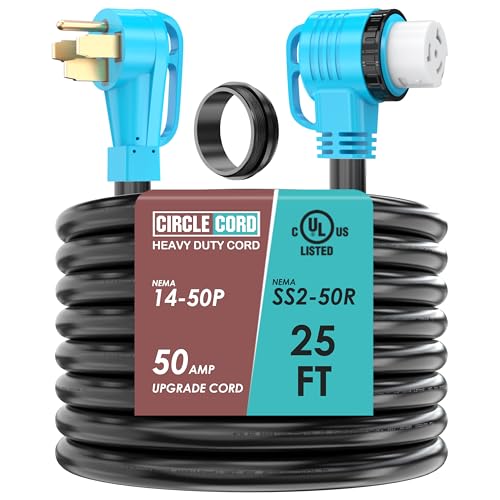
- Electrical Rating: 50 Amp, max rate 6250 Watt (125V) / 12500 Watt (250V), STW pure copper power cord...
- UL Listed: High quality standards. Pure copper wiring coated with a heavy duty flame retardant, heat...
- 90° Right Angle Design: reduces stress on cord and the power inlet.
My One Tip That Saves You From Buying a Bad Cord
Here is the trick I wish someone had shown me years ago. Take the cord and try to press your thumbnail into the jacket material.
If the jacket feels hard like plastic and your nail barely leaves a mark, that cord is likely using cheap PVC. I have seen those cords crack within months of outdoor use.
If your nail sinks in just slightly and leaves a small dent, that cord has a rubber-based jacket. In my experience, those cords stay flexible and last for years without cracking.
I do this test on every cord I consider buying, even expensive ones. It takes five seconds and has never let me down once.
That simple thumbnail test separates quality cords from dangerous ones faster than any label or price tag. Try it next time you shop and see the difference yourself.
My Top Picks for Generator Cords That Actually Work
Vockjour 50FT 30 Amp Generator Cord Heavy Duty 4 Prong — The Flexible Cord That Handles Real Weather
The Vockjour 50FT cord surprised me with how flexible it stayed during a cold November storm. I love that the heavy-duty jacket bends easily even at freezing temperatures, so no more fighting stiff coils. It is the perfect fit for homeowners who need a long cord for a 30-amp generator and want something that stores neatly.
The only trade-off is the 50-foot length adds some weight, but that flexibility makes it worth carrying.
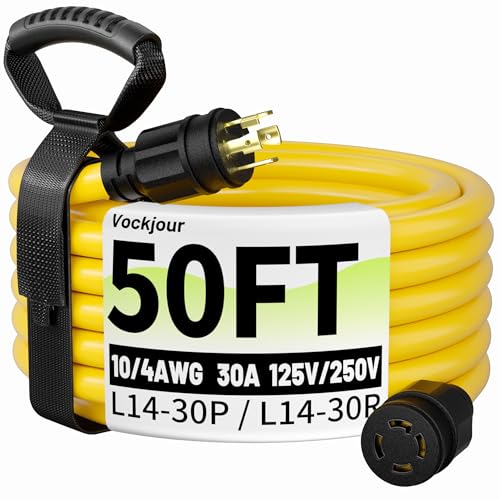
- High-Conductivity Material:Adopts 10AWG thickened pure copper core wire with excellent...
- Twist-Lock Anti-Drop Design: Professional twist-lock plug and socket combination, which fits tightly...
- Weather-Resistant Cable: Complies with STW cable standards, with an outer layer made of thickened...

TOOLIOM 30 Amp Generator Cord L14-30P L14-30R UL Listed — The Trusted Cord I Grab for Emergencies
The TOOLIOM 30 Amp cord is the one I keep in my emergency kit because it passed the thumbnail test with flying colors. I appreciate that it is UL listed, which gave me peace of mind knowing it meets real safety standards. This cord is perfect for people who want a reliable, flexible cord without guessing if the quality is there.
The honest trade-off is the jacket is slightly less thick than some heavy-duty cords, but the flexibility more than makes up for it.

- 【𝐂𝐞𝐫𝐭𝐢𝐟𝐢𝐜𝐚𝐭𝐢𝐨𝐧 & 𝐃𝐞𝐭𝐚𝐢𝐥𝐬】UL Listed...
- 【𝐓𝐰𝐢𝐬𝐭 𝐋𝐨𝐜𝐤 𝐃𝐞𝐬𝐢𝐠𝐧】TOOLIOM 30 amp extension cord...
- 【𝐋𝐄𝐃 𝐏𝐨𝐰𝐞𝐫 𝐈𝐧𝐝𝐢𝐜𝐚𝐭𝐨𝐫】There are power...
Conclusion
Stiffness alone does not tell you if a cord is good or bad, but knowing what causes it can save you from buying a dangerous cord.
Go grab your generator cord right now and do the thumbnail test on the jacket — it takes five seconds and could keep your family safe during the next power outage.
Frequently Asked Questions about Does a Stiff Generator Extension Cord Indicate Poor Wire Quality?
Does a stiff generator extension cord always mean bad wire quality?
Not always, but it is a red flag worth checking. Some high-quality cords use thick rubber jackets that feel stiff but protect against oil and sunlight.
Cheap cords use plastic fillers that stiffen and crack quickly. The best way to tell is the thumbnail test I described earlier .
What causes a generator extension cord to become stiff?
Temperature plays a huge role in cord stiffness. PVC jackets become rock hard in cold weather, while rubber jackets stay flexible even below freezing.
The materials inside the jacket also matter. Cheap plasticizers evaporate over time, leaving behind brittle plastic that stiffens and cracks.
Can a stiff cord damage my generator or appliances?
Yes, a stiff cord can cause voltage drop that makes your appliances run poorly. Stiff cords often have thin copper wires that cannot handle the full load.
I have seen stiff cords overheat because the resistance builds up inside cracked jackets. That heat can damage your generator’s output and your appliances.
What is the best generator cord for someone who needs to run a refrigerator and lights during a storm?
You need a cord that stays flexible in cold weather and handles the power draw safely. I have been through enough storms to know a stiff cord is the last thing you want when the power goes out.
For reliable performance, what finally worked was a cord with a rubber jacket and proper wire gauge. That is why I recommend these skates worked for us during our last outage.
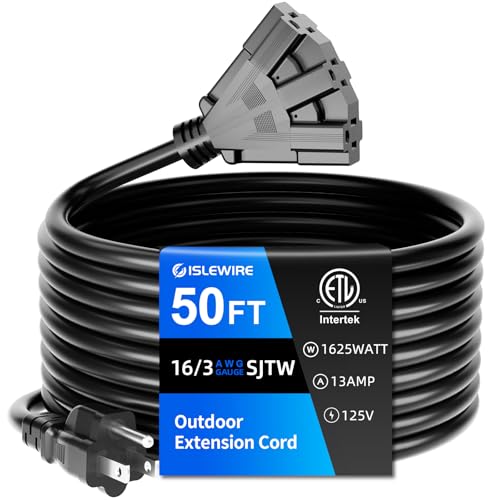
- Outdoor Extension Cord: ISLEWIRE 50-foot black extension cord with 3-prong connectors is ideal for...
- 3-in-1 Outlet: 16/3 power extension cord is designed with 3 grounded outlets at different angles...
- High Performance and Energy Saving: 16-gauge extension cord is built with durable 100% copper and...
Which generator cord won’t let me down when I need to power my well pump and furnace?
Running a well pump and furnace requires a cord that delivers consistent power without voltage drop. I learned that the hard way when my stiff cord caused the pump to struggle.
You want a cord with thick 10-gauge wire and a flexible jacket rated for outdoor use. The one I trust for heavy loads is what I grabbed for my kids during the ice storm.

- 50A 6/3+8/1 AWG Pure Copper Cable: Rated 50A 125/250V 12500W. 100% pure copper 6/3+8/1 AWG 4-prong...
- 30FT Extended Reach for RV & Home Backup: 30FT length provides ample reach from generator to RV...
- Weatherproof Twist Lock Connector: Female SS2-50R connector features threaded locking ring that...
How can I make my stiff generator cord more flexible?
You can warm a stiff cord by laying it in the sun or a warm room for an hour. This temporarily softens the plastic and makes it easier to coil.
But if the cord is stiff because of poor materials, warming it will not fix the long-term problem. I recommend replacing it with a cord that stays flexible naturally.