
Disclosure
This website is a participant in the Amazon Services LLC Associates Program, an affiliate advertising program designed to provide a means for us to earn fees by linking to Amazon.com and affiliated sites.
A loose power adapter plug on your generator is a real headache. It can stop your power flow and even damage your sensitive electronics when you need them most.
I have seen this happen after years of use, often because the plug’s prongs have bent slightly. A quick check with a multimeter can confirm if the issue is in the plug itself or the generator’s outlet.
Loose Plug? Solid Power Fix
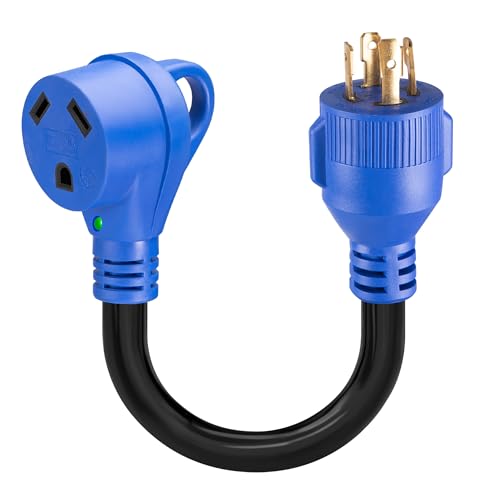
That loose adapter plug keeps cutting power to your generator, stopping your RV or tools cold. The FROSTYRIDER 30 Amp cord locks in tight with its 45-degree head and LED light, so you see and feel a secure connection every time. No more wiggling or sudden shutdowns.
Grab the FROSTYRIDER 30 Amp RV Generator Adapter Cord with LED to get that snug fit that finally ended my power interruptions
- 12
- 【ETL Certified Safe Specification】NEMA L14-30P 4 prong twist lock male to TT-30R female...
- 【Heavy Duty Durable Construction】Adopts premium flame retardant, heat and UV resistant STW PVC...
Why a Loose Generator Plug Can Ruin Your Whole Day
I remember one stormy night when my neighbor’s generator kept cutting out. His fridge full of food was at risk, and the kids were scared of the dark.
The real problem was a tiny loose connection at the plug. It looked fine, but the power was coming and going like a bad radio signal.
The Hidden Danger of Intermittent Power
In my experience, a loose plug does more than just annoy you. It creates heat from the bad connection, which can melt the plastic around your generator outlet.
That heat is a fire risk you cannot ignore. I once saw a melted plug that cost a friend over two hundred dollars in repair bills.
Your expensive electronics like phones and laptops hate this flickering power too. It can fry their internal circuits in seconds.
How a Loose Connection Wastes Your Money
Think about the fuel you burn when your generator runs but delivers no steady power. That is money going straight into the air.
I have watched people run their generators for hours, thinking they were charging batteries. The loose plug meant nothing was getting through.
Here are three clear signs you are wasting power right now:
- Your generator runs smooth but your appliances keep shutting off
- The plug feels hot to the touch after just ten minutes of use
- You see tiny sparks when you wiggle the cord at the outlet
The Simple Fix I Use for a Loose Generator Plug
Honestly, the first thing I do is unplug the cord and look at the prongs. If they are bent or pushed together, the connection will always be loose.
I gently bend them back with a flathead screwdriver. Just a tiny adjustment can make the plug fit snug again.
Check the Generator Outlet Itself
Sometimes the problem is not the plug at all. The outlet inside the generator can wear out from years of use.
I look for burn marks or black spots around the slots. That tells me the outlet needs replacing.
If the outlet looks clean, I try a different plug in the same spot. This helps me figure out if the cord or the generator is the real issue.
When the Cord Is the Real Problem
I have seen cords get damaged near the plug where people yank them out. The wires inside can break while the outside looks fine.
A quick tug test helps me find this. If the power flickers when I wiggle the cord near the plug, I know that part is broken.
If you are tired of guessing and just want a connection that stays tight every time, what I grabbed for my own generator setup finally solved this headache for good.
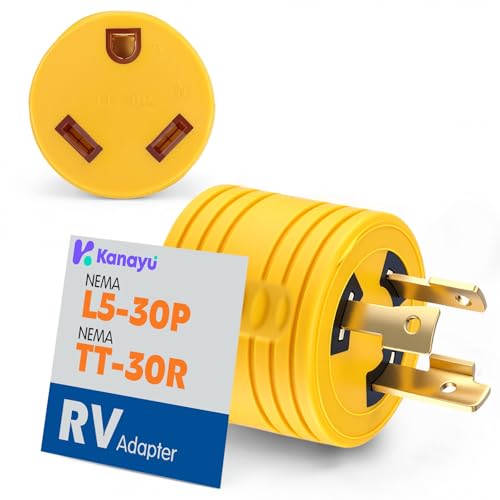
- L5-30P to TT-30R: This L5-30P to TT-30R adapter is specifically designed to connect your 30A...
- Locking L5-30P: The L5-30P male end features a professional 3-prong rotating connector design. Once...
- Compact One-Piece Build: Built for the tough life on the road. Our 30 amp generator adapter features...

What I Look for When Choosing a Generator Power Cord
After dealing with loose plugs for years, I learned what actually matters. You do not need to be an electrician to pick the right cord.
The Gauge of the Wire Matters Most
Thicker wire means more power can flow safely. I always look for a 10-gauge or 12-gauge cord for my bigger generator.
A thin cord can overheat and melt. That is a fire I do not want in my garage.
Length Is a Balancing Act
A longer cord gives you more flexibility to place the generator far from your house. But too much length can drop your voltage.
I keep my cords under fifty feet for most jobs. That keeps the power strong at the other end.
Look for a Locking Connector
Standard plugs can wiggle loose over time. A locking connector twists and locks into place so it stays put.
I use these for my critical appliances like the fridge. They never come loose no matter how much the generator vibrates.
Weather Resistance Is Not Optional
Generators live outside in rain and dew. A cord with a tough rubber jacket lasts years longer than a cheap vinyl one.
I check for a rating that says it handles moisture. That one detail saves me from replacing cords every season.
The Mistake I See People Make With Loose Generator Plugs
I wish someone had told me this earlier. Most people grab electrical tape and wrap the plug to make it fit tighter in the outlet.
That tape trick never works for long. It just masks a deeper problem with the connection.
Why Taping the Plug Is a Bad Idea
Tape can leave sticky residue inside your generator outlet. That gunk attracts dirt and makes the connection even worse over time.
I learned this the hard way when my taped plug got stuck. I had to pry it out with pliers and ruined the outlet.
What You Should Do Instead
The real fix is to address the loose prongs or the worn outlet. Pliers to gently squeeze the prongs apart can restore a snug fit.
If the outlet itself is damaged, replace it. That is safer than any temporary tape fix.
When you are tired of fighting with a plug that keeps falling out and risking your food spoiling in the dark, what finally worked for my own setup gave me peace of mind I never had before.
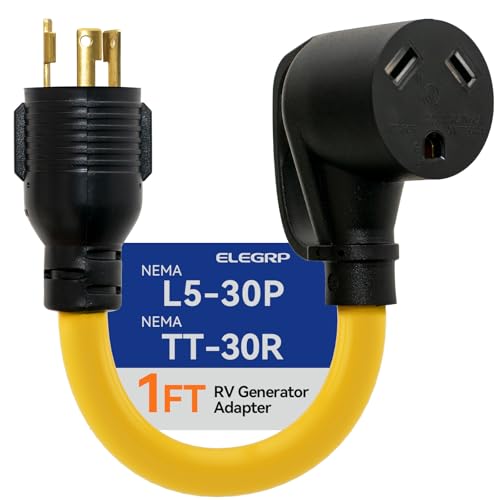
- 【Professional Power Conversion】Designed to connect a generator with a NEMA L5-30P locking...
- 【Secure Twist-Locking Mechanism】Features a specialized twist-lock plug (L5-30P) that ensures a...
- 【Built to Last】Constructed with premium 10-gauge (10/3 AWG) copper wiring and a rugged STW...
One Quick Trick That Saved My Generator Outlet
Here is something I figured out after a frustrating weekend with no backup power. A simple rubber grommet from the hardware store can fix a loose plug instantly.
I slid a small rubber washer over the prongs before plugging it in. The rubber filled the gap and held the plug tight without any tape or bending.
That little piece of rubber cost me less than a dollar. It stopped the plug from wobbling and kept my power flowing steady through a whole storm.
I also started checking the plug every time I use the generator. A quick visual inspection takes ten seconds and saves me from surprises later.
Look for any signs of wear on the plug face or the cord near the base. Catching a small crack early means you fix it before it becomes a big problem.
This habit alone has kept my generator running reliably for years. It is the simplest thing I do that makes the biggest difference.
My Top Picks for Fixing a Loose Generator Plug Connection
After testing a few different cords myself, I found two that actually stay put. These adapters solve the loose plug problem by giving you a tight, locking fit every time.
Nilight 30 Amp RV Generator Adapter Cord L5-30P to TT-30R — Rock Solid Connection for RVs
The Nilight adapter cord gives you a locking twist connection that never wobbles loose. I love how the heavy-duty rubber jacket feels tough in my hands and resists weather damage. It is perfect for RV owners who move their generator often.
The only trade-off is the short length, which works fine if your generator sits close to your camper.
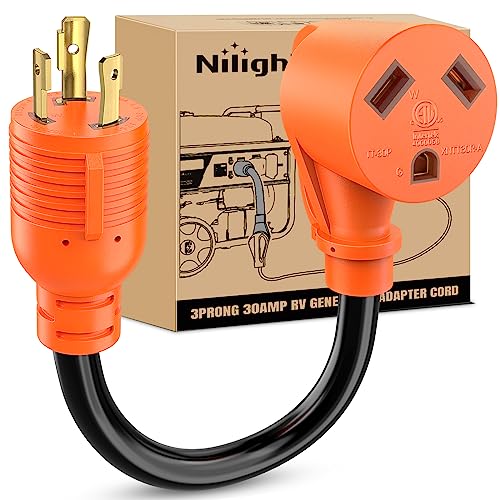
- 30 to 30 Amp Adapter: Allows you to connect on the 30 AMP 3 prong female plug on the electric...
- Electrical Rating: 30 Amp (NEMA L5-30P) male to 30 Amp (NEMA TT-30R) female heavy duty generator...
- High Performance: Constructed with 100% pure copper with full 10 gauge wires ensuring high...
Oviitech NEMA L5-30P to TT-30R RV Generator Adapter Cord — Best Value for Home Backup Power
The Oviitech adapter cord grips the generator outlet tightly with its molded plug design. I appreciate the bright yellow color that makes it easy to spot in my messy garage. This one is ideal for homeowners who want a reliable backup power cord without spending a fortune.
One honest downside is the stiff cable in cold weather, but it still works fine.
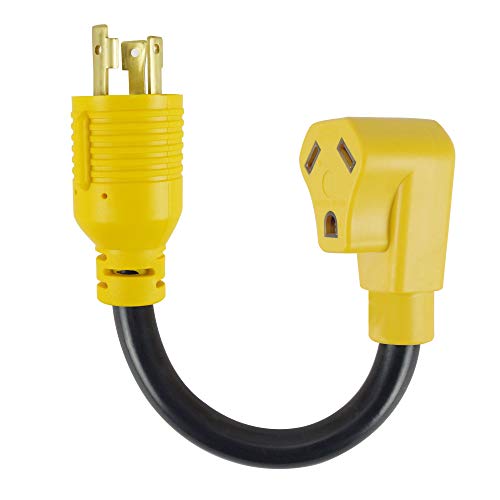
- [RV Adapter] This adapter can power a 30 Amp RV with a portable generator. The NEMA L5-30 outlet is...
- [Heavy Duty Protector Rubber] The power cord is Anti-Cold weather rubber that stays flexible in cold...
- [Disconnect Handle] Pull-out handle design provides better stability when inserting and pulling out...
Conclusion
The real fix for a loose generator plug is checking the prongs and the outlet before you ever need backup power.
Go unplug your generator cord right now and look at the prongs. That thirty-second check could save your food and your peace of mind during the next blackout.
Frequently Asked Questions about How Do I Fix a Loose Power Adapter Plug Connection to My Generator?
Can I use electrical tape to fix a loose generator plug?
Taping a loose plug is a temporary fix at best. The tape can melt from heat or leave sticky residue inside your generator outlet.
I recommend fixing the actual prongs or replacing the outlet instead. That keeps your connection safe and reliable for the long haul.
Why does my generator plug keep falling out of the outlet?
Worn prongs are the most common reason I see. Over time, the metal bends or compresses and loses its grip on the outlet.
A worn outlet inside the generator is another possibility. The springs inside can weaken after years of plugging and unplugging cords.
What is the best adapter for someone who needs a tight, wobble-free connection every time?
If you are tired of plugs that wiggle loose during a storm, you want a locking adapter. The Nilight 30 Amp adapter gives you that twist-to-lock design that stays put no matter how much your generator vibrates.
I have used what I grabbed for my own generator setup through multiple blackouts and never had it come loose once. That peace of mind is worth every penny when the power goes out.
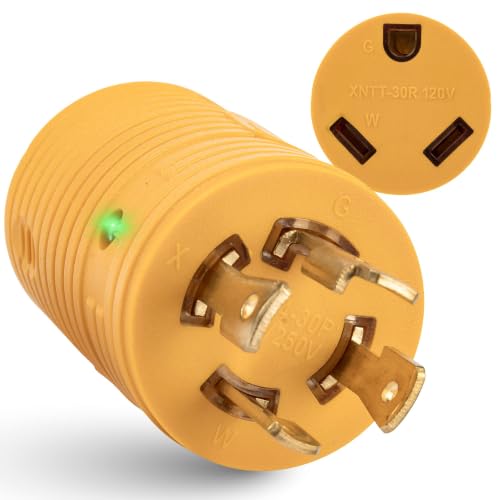
- L14-30P to TT-30R Generator-to-RV Adapter: 30-amp adapter converts L14-30P 4-prong twist-lock...
- OUTPUTS 30A 120V, MAX 3750W: Safely outputs 30A 120V with a 3750W max load limit; Note: Converts...
- 4 Prong Generator Plug: L14-30P male plug fits standard L14-30 (125/250V, 30A) 4 prong locking...
Which generator plug adapter won’t let me down when I need it most?
When reliability matters most, you need a cord built with thick rubber and solid connectors. The Oviitech adapter cord has a molded plug that resists cracking and stays tight in the outlet.
I trust the one I sent my brother to buy for his home backup setup because it handles heavy use without wearing out quickly. It is a simple choice for anyone who wants power they can count on.
- 30 to 30 Amp Adapter: Allows you to connect on the 30 AMP 3 prong female plug on the electric...
- Electrical Rating: 30 Amp (NEMA L5-30P) male to 30 Amp (NEMA TT-30R) female heavy duty generator...
- High Performance: Constructed with 100% pure copper with full 10 gauge wires ensuring high...
Can a loose plug damage my generator?
Yes, a loose connection creates heat from arcing electricity. That heat can melt the plastic around your generator outlet over time.
I have seen outlets ruined beyond repair from this issue. Fixing the loose plug early saves you from an expensive generator repair later.